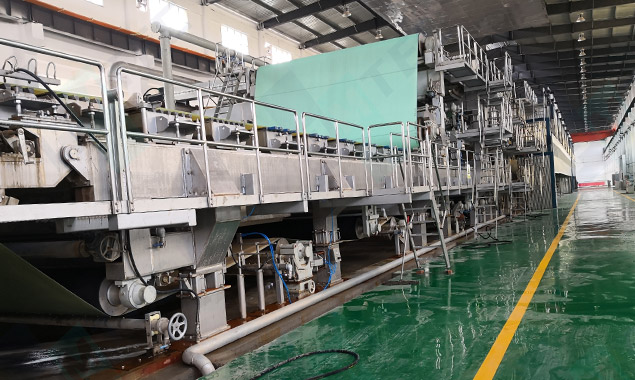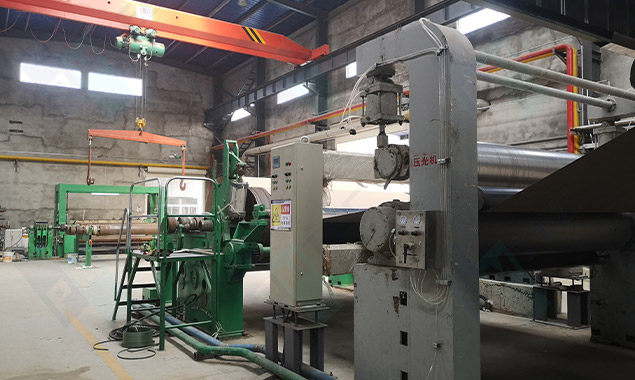

In the contemporary papermaking landscape, a machine operating at 1,500 m/min is a hyper-complex “System Engineering” project. Achieving high Overall Equipment Effectiveness (OEE) requires more than mechanical speed; it requires a seamless integration of process logic, automated intelligence, and mechanical precision.
This report, developed by PMTEC, identifies common technical bottlenecks and explores the multidisciplinary engineering approaches required to transform these variables into stable, high-margin production.
I. Process & Operations — “The Brain & Commander”
The producer serves as the “System Commander,” where the depth of process understanding determines the machine’s actual production ceiling.
Process Depth:
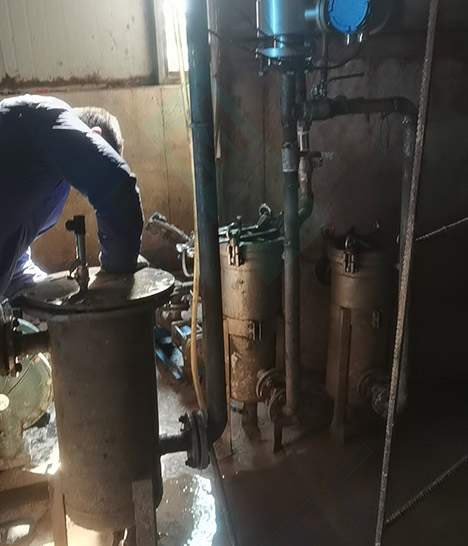
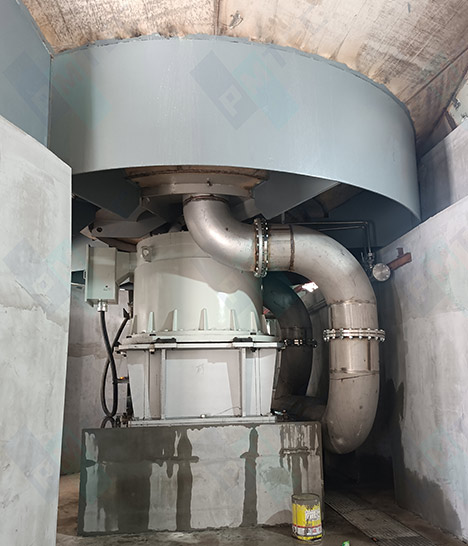
Precise control of pulp ratios, fillers, and chemical additives (dry/wet strength, sizing) is required to meet the harsh demands of retention and drainage at high speeds. Understanding fluid dynamics and thermal balance is critical; the vacuum degree curve must be optimized to handle massive dewatering loads, and the steam-condensate system must remain highly efficient.
Skill & Emergency Response:
Operators must strictly follow SOPs for grade changes and fabric replacement while maintaining the ability to diagnose defects and handle web breaks rapidly to minimize downtime.
By mastering the “Brain” of the operation, mills transition from reactive troubleshooting to proactive process optimization.
II. Instrumentation & Automation — “The Nervous System”
At high speeds, manual monitoring is impossible; stability relies on the accuracy and frequency of the digital nervous system.
| Technical Feature | Engineering Logic & Standards | Impact on Stability |
| QCS Scanning | High-precision measurement of basis weight, moisture, and thickness. | Eliminates “ghost peaks” and ensures profile accuracy. |
| APC Control | Multivariable Model Predictive Control (MPC). | Coordinates variables simultaneously beyond simple PID. |
| Soft Sensing | Data models to infer variables like freeness. | Allows for pre-emptive adjustments before quality drifts. |
| Actuator Linearity | Precision calibration of dilution valves/infrared dryers. | Ensures surgical accuracy in cross-direction (CD) control. |
A robust automation framework ensures that the machine’s “muscles” respond with surgical precision to real-time data.
III. Mechanical Integrity — “The Skeleton & Muscles”
Physical deviations are magnified exponentially by speed; precision is the only antidote to high-frequency vibration.
Installation & Alignment:
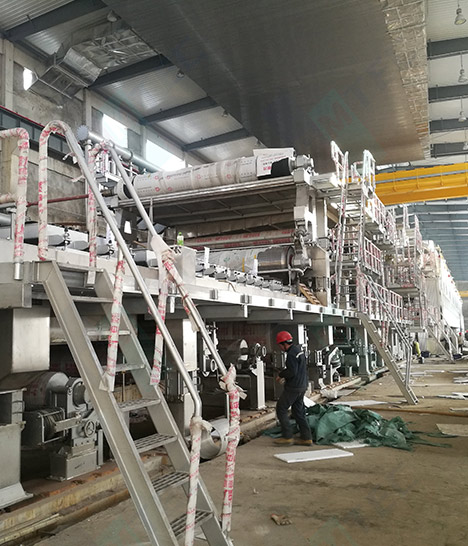
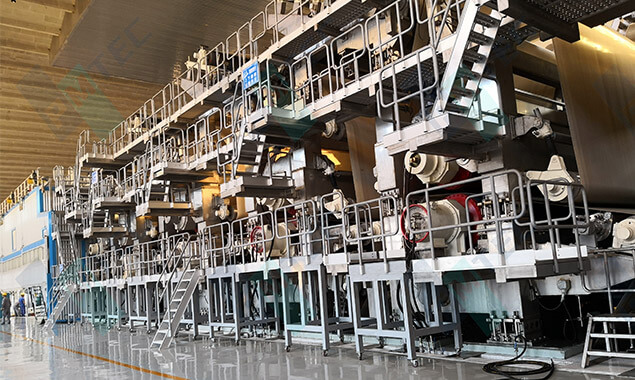
A stable foundation and perfect alignment between all sections (forming, press, dryer, calender, and reel) are prerequisites for reducing vibration and ensuring smooth runnability.
Project Execution
Maintaining the “Skeleton” of the machine ensures that physical limits never become a bottleneck for speed.
Maintaining the “Skeleton” of the machine ensures that physical limits never become a bottleneck for speed.
IV. Electrical & Drives — “The Motor Nerve”
High-speed machines must “run steady and stop precisely,” which relies heavily on the synchronization and load distribution of the drive system.
Synchronization & Tension Control:
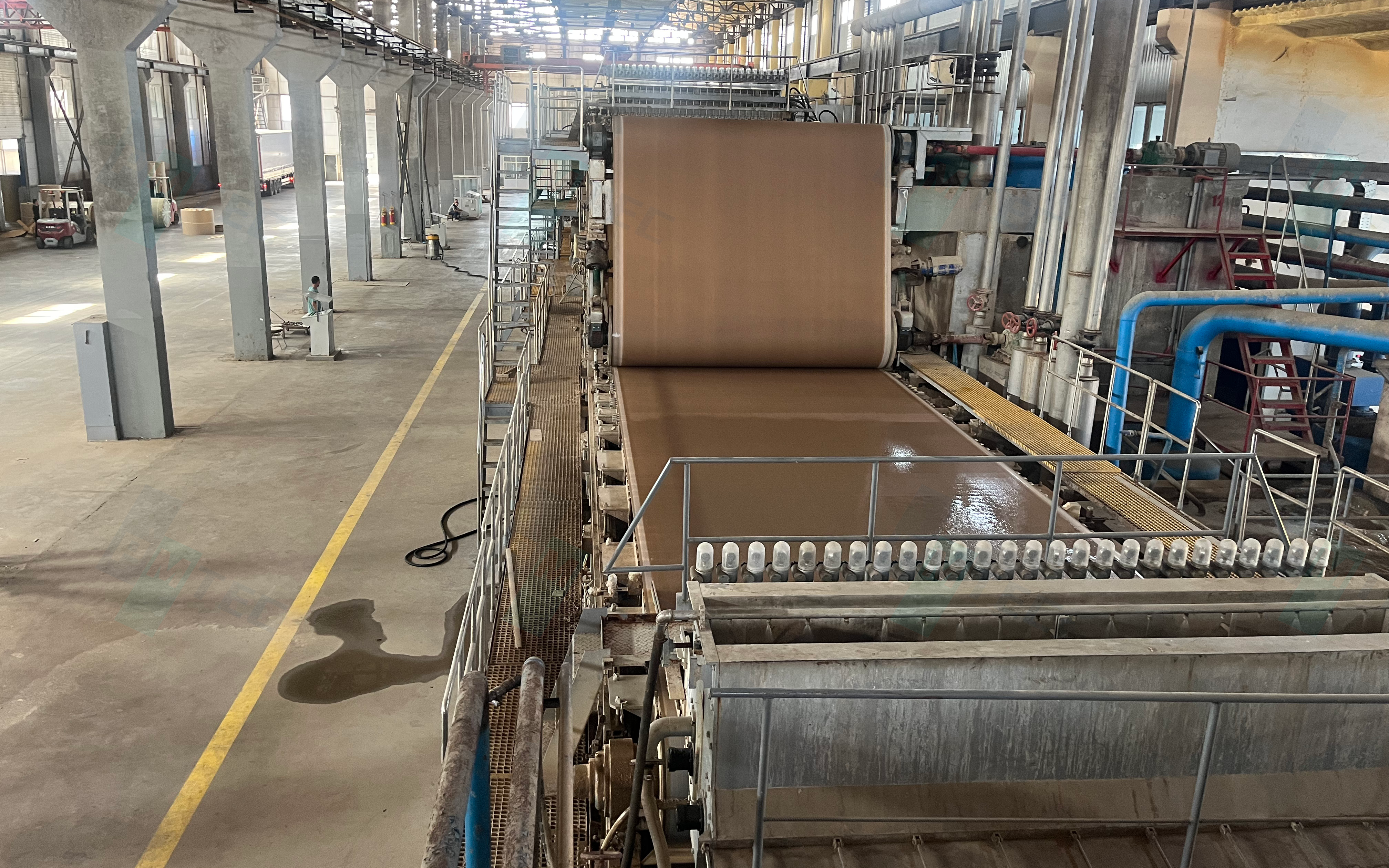
Multi-motor drives require harmonious load sharing and high-precision speed chain synchronization. Even micro-fluctuations in tension can lead to catastrophic web breaks at high speeds.
Power Quality & System Safety:
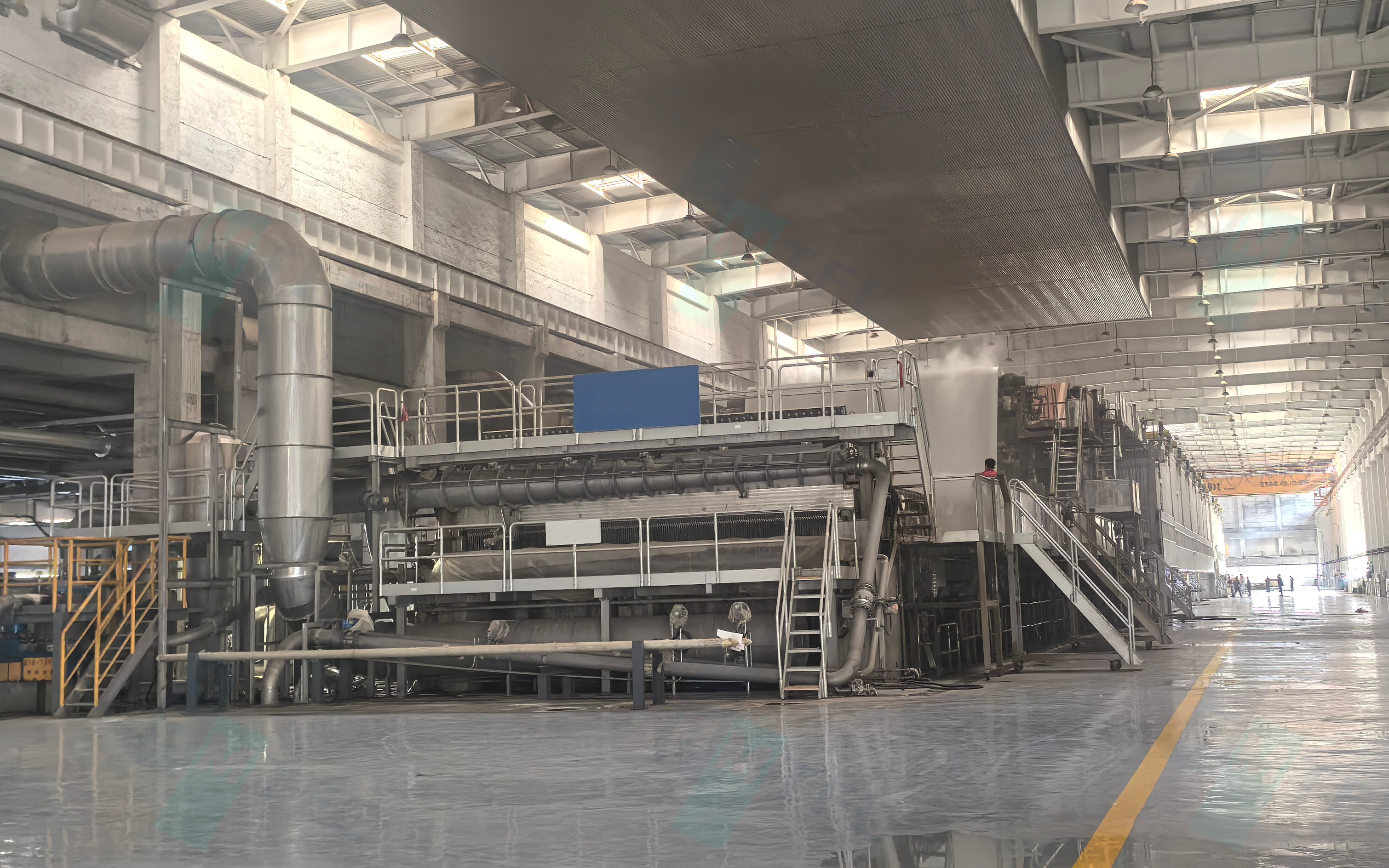
Utilizing harmonic suppression and UPS-backed control systems protects sensitive electronics from grid disturbances. Proper interlocking and protection logic prevent local faults from causing total line stops or mechanical damage.
A stable drive system provides the highly coordinated power necessary to ensure continuous production reliability.
V. Management & Data — “Systemic Synergy”
The ultimate efficiency of a mill is determined by breaking down departmental silos through data-driven integration.
Information Integration:
Connecting MES (Manufacturing Execution Systems) with equipment health data allows for a holistic view of production, ensuring management can monitor efficiency, broke rates, and energy levels in real-time.
TPM Culture:
Promoting a Total Productive Maintenance (TPM) culture ensures that process, mechanical, and automation departments share a common technical language, turning reactive “firefighting” into proactive, systematic management.
The digital platform serves as the extension of the machine’s neural network, consolidating departmental expertise into a unified force.
Conclusion
The true ability of a technical partner is found in the intersection of theory and practice. Stability is not achieved by a single “miracle tool” but by the rigorous, data-driven synchronization of hardware, software, and process knowledge.
PMTEC facilitates a “Symphony of Synergy” by bridging the gap between existing hardware and digital logic, empowering mills to redefine their production limits and achieve sustainable, high-speed excellence.