

Shipping Risks Raise New Concerns for Pulp and Paper Supply Chains
Recent military tensions involving the United States, Israel and Iran have begun to influence global shipping markets and commodity logistics. While the immediate attention has focused on oil supply and regional security, industries that rely heavily on international transportation — including the pulp and paper sector — are closely watching developments.
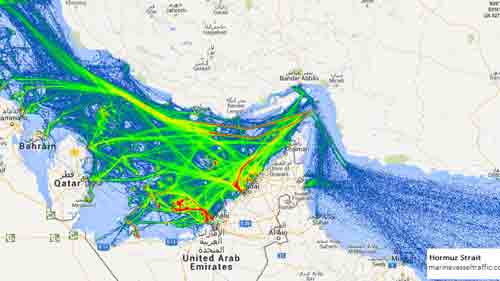
One of the main concerns is the Strait of Hormuz, a narrow but vital passage connecting the Persian Gulf with international waters. A significant portion of the world’s energy shipments moves through this route, and any instability can quickly affect shipping insurance costs, vessel routing decisions and freight rates.
For the paper manufacturing industry, the issue is not direct raw material supply from the Middle East. Instead, the broader impact lies in global logistics stability. Paper production depends on international trade for market pulp, specialty chemicals, industrial equipment and finished paper exports. When shipping risks increase, freight costs and delivery schedules often change as well.
Shipping Routes and Freight Costs Under Pressure
Shipping operators have already begun reviewing navigation strategies across sensitive waters in the Persian Gulf and the Red Sea. In previous regional crises, vessels diverted away from these areas and traveled around the Cape of Good Hope, adding considerable distance to global shipping routes.
Such diversions can significantly increase freight costs and transit times. For exporters of paper products — including containerboard, tissue and packaging grades — higher transportation costs can affect competitiveness in international markets.
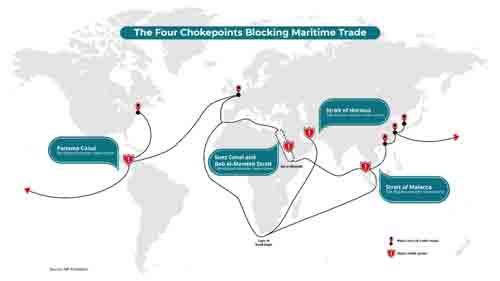
Paper manufacturers exporting finished products or importing raw materials may therefore face greater uncertainty in logistics planning if tensions persist.
Implications for Global Pulp Supply
The global pulp trade is one of the most shipping-dependent supply chains in the paper industry. Large volumes of market pulp are transported every year from major exporting regions such as Brazil, Canada, Chile and Scandinavia to paper mills in Asia and Europe.

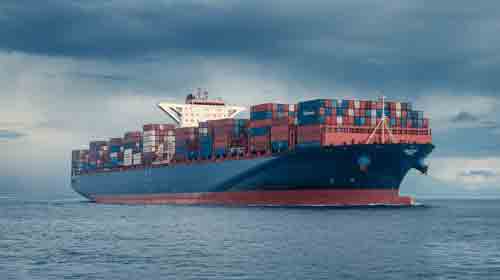
If freight markets tighten due to geopolitical risk, pulp shipments may become more expensive or take longer to arrive. Mills that rely on imported pulp may need to adjust inventory levels or procurement strategies.
Energy Prices and Papermaking Inputs
Another indirect impact comes through energy markets. Oil price volatility often influences the cost of petrochemical materials used in papermaking, including coatings, binders, latex and specialty additives.
For paper mills operating on tight margins, increases in these input costs can gradually affect production economics.




Meanwhile, the transportation of heavy paper machinery — such as refiners, screens and dryer components — also relies on stable maritime routes. Equipment shipments for paper mill expansion projects may face longer transit times if shipping routes become more restricted.
Industry Outlook
At present, the global pulp and paper industry continues to operate normally. However, the current geopolitical tensions serve as a reminder that modern manufacturing is closely linked to global logistics networks.
Freight rates, energy markets and maritime security will remain key indicators for the industry in the coming months. Paper manufacturers, suppliers and engineering companies are continuing to monitor developments as global supply chains adjust to evolving conditions.