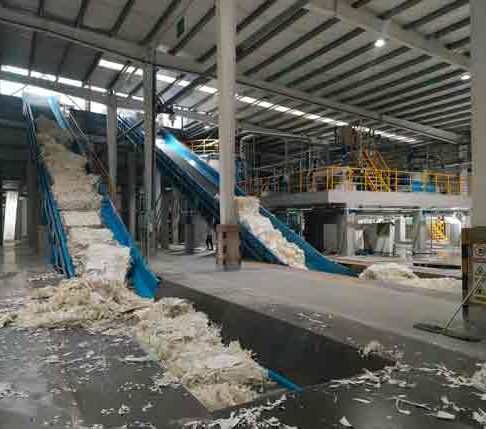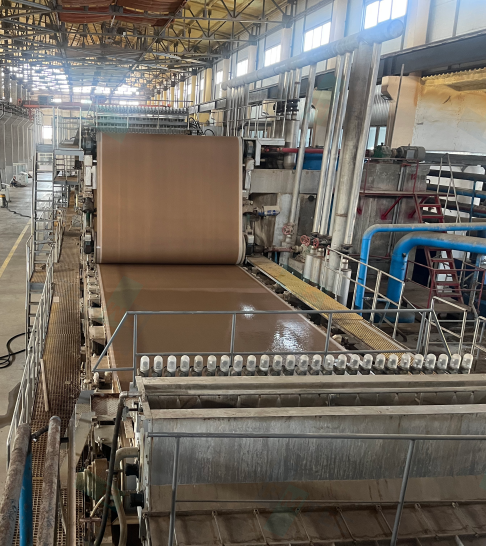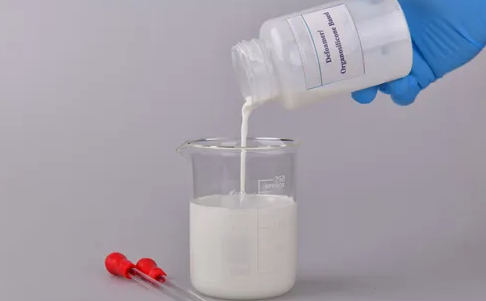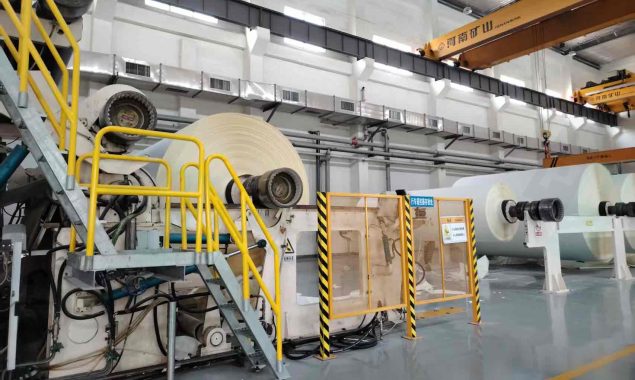

In professional papermaking, ash content is far more than a laboratory detection figure. It acts as a silent regulator that directly dictates the physical and chemical limits of your production line.
Ⅰ、Beyond the Lab: Ash as a Strategic Engineering Variable
Whether processing virgin wood pulp, non-wood fibers, or recycled furnish, ash represents the Total Mineral Load entering the system. It acts as a silent regulator that directly dictates the physical and chemical limits of your production line—affecting everything from fiber bonding to wastewater treatment performance.
For mills producing containerboard, testliner, or high-end newsprint, managing this load is the foundation of process stability. When properly engineered, ash transforms from an unpredictable risk into a manageable variable that can be optimized for both cost and quality.
Ⅱ、Raw Material Reality: Matching Grade to Process
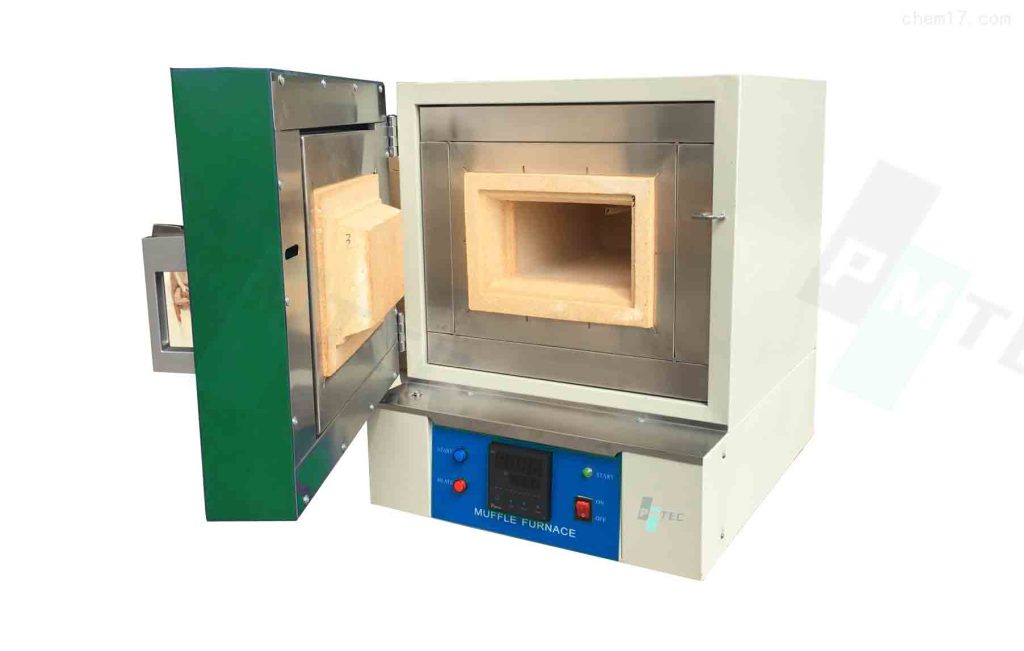
“Ash” refers to the inorganic residue—primarily calcium carbonate, kaolin clay, titanium dioxide, and abrasive silica—remaining after pulp is burned at approximately 925°C. Because different wastepaper grades carry vastly different mineral loads, a “one-size-fits-all” approach to cleaning is impossible.
Table 1: Engineering Focus by Furnish Type
| Recovered Paper Type | Typical Ash Content (%) | Key Engineering Priority |
| OCC (Corrugated) | 5% – 12% | Strength Preservation: Maximizing fiber-to-fiber bonding while removing heavy grit. |
| ONP (Newsprint) | 10% – 20% | Process Balance: Achieving the right opacity without sacrificing drainage. |
| Magazines (OMG) | 20% – 40% | High Load Management: Intensive centrifugal cleaning and mineral separation. |
| Mixed Office Waste | 8% – 18% | Fluctuation Control: Managing high variability in raw material quality. |
Ⅲ、The Operational Toll: How Uncontrolled Ash Erodes Profitability
High or fluctuating ash levels impact nearly every stage of the paper machine’s performance:
Strength Development: Excessive mineral particles physically interfere with hydrogen bonding between fibers. This results in a sharp decline in tensile strength and compression resistance (SCT) in packaging grades.
Drainage & Speed: Fine minerals restrict water removal at the forming section. This forces a difficult choice: accept higher steam demand and energy costs, or reduce machine speed to maintain drying.
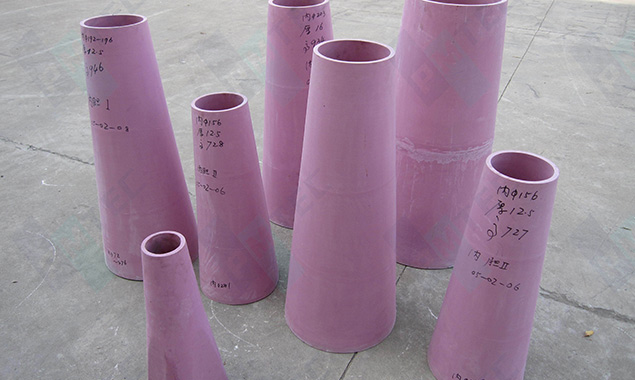
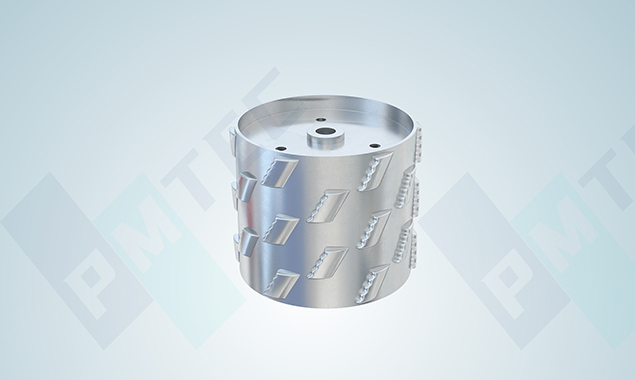
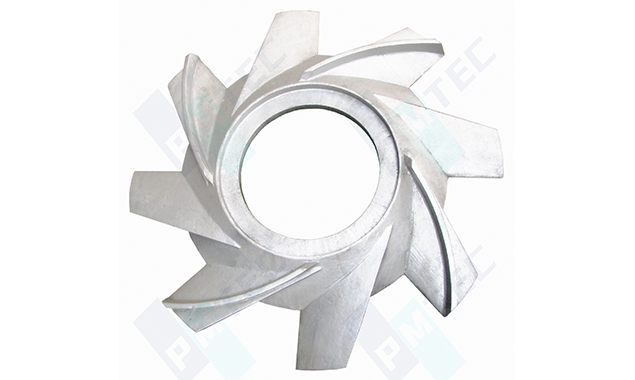
Equipment Lifecycle: Hard particles like silica act as an abrasive, accelerating the wear of pressure screens, cleaner cones, and refiner plates. This increases the frequency of costly maintenance shutdowns.
Chemical Instability: In deinking and wet-end chemistry, excess fines compete for chemical adsorption, driving up costs for retention aids while causing “chemical swings”.
Environmental Load: Mineral losses increase suspended solids in the white water, raising sludge handling requirements and wastewater pressure.
Ⅳ、The PMTEC Framework for Stable Ash Control
Effective management is never the result of a single machine; it requires a coordinated system architecture. The PMTEC framework focuses on:
Multi-Stage Pressure Screening: Removing coarse contaminants while protecting usable long fibers.
High-Efficiency Centrifugal Cleaning: Targeting the elimination of heavy mineral particles and abrasive grit.
Balanced Reject Management: Controlling reject flows to prevent the harmful “internal loop” recirculation of fines.
Approach Flow Stability: Ensuring stable consistency and dilution to prevent headbox surges and grammage fluctuations.
Ⅴ、Conclusion: Engineering Stability for the Future
Professional papermaking does not aim for the lowest possible ash level; it aims for stabilized ash aligned with product requirements and machine capability. PMTEC specializes in the integrated design of recycled fiber systems that balance mineral loads with fiber protection. By transforming process variability into engineering control, we help mills achieve long-term operational reliability.