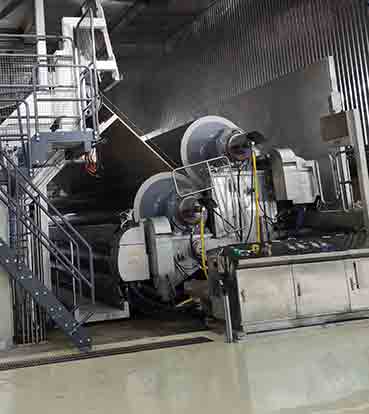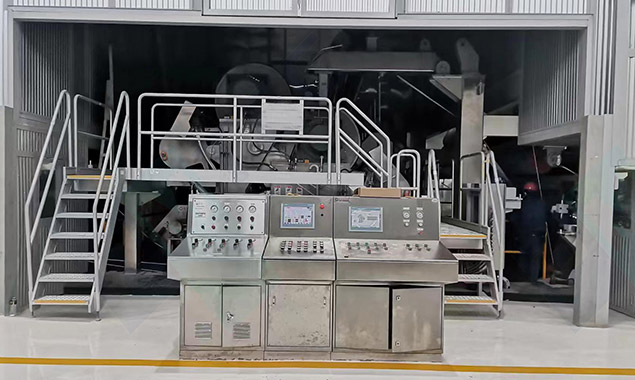

The first sign is usually subtle. A shadow pattern appears on the sheet — faint, regular, and aligned with the hole pitch of the vacuum roll. The felt exits the press slightly wetter than normal. Soon after, the DCS vacuum trend begins to decline — often gradually enough to be ignored.
This sequence — early symptom, tolerance, delayed action — is how vacuum roll blockage develops from a minor observation into a operation issue or a shutdown event. In mill operation, the mechanism is well understood; the difference lies in whether these signals are identified early and acted on.
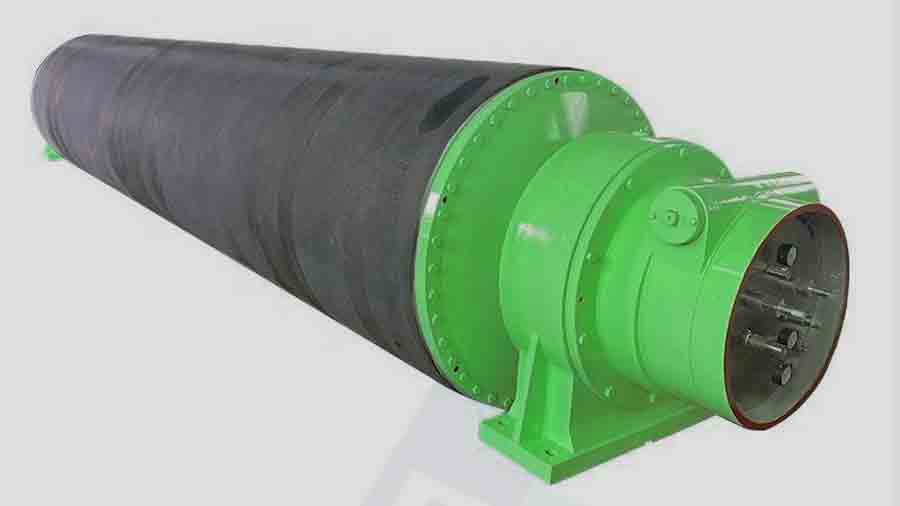
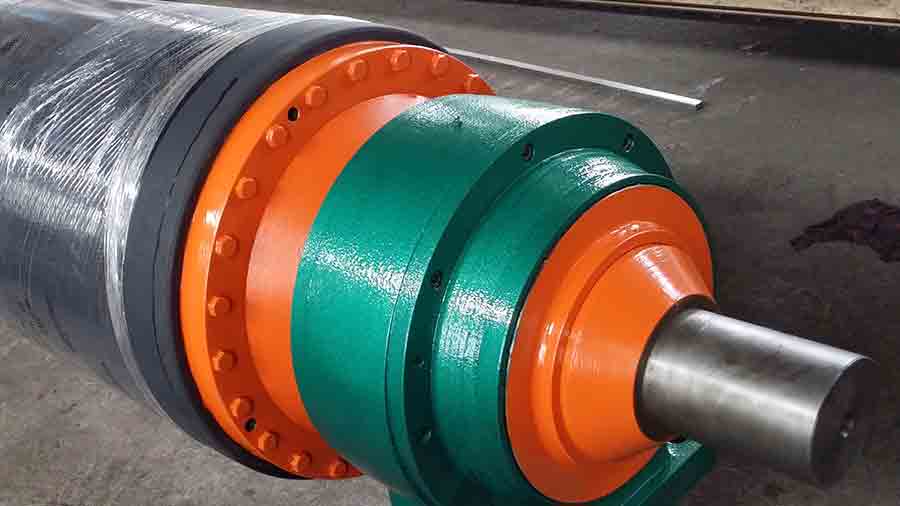
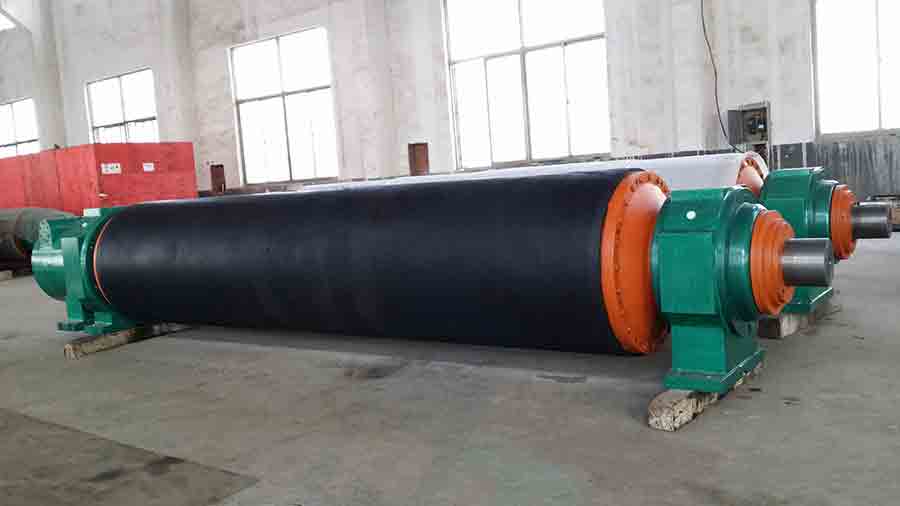
Why Vacuum Roll Holes Block — Understanding the Mechanism
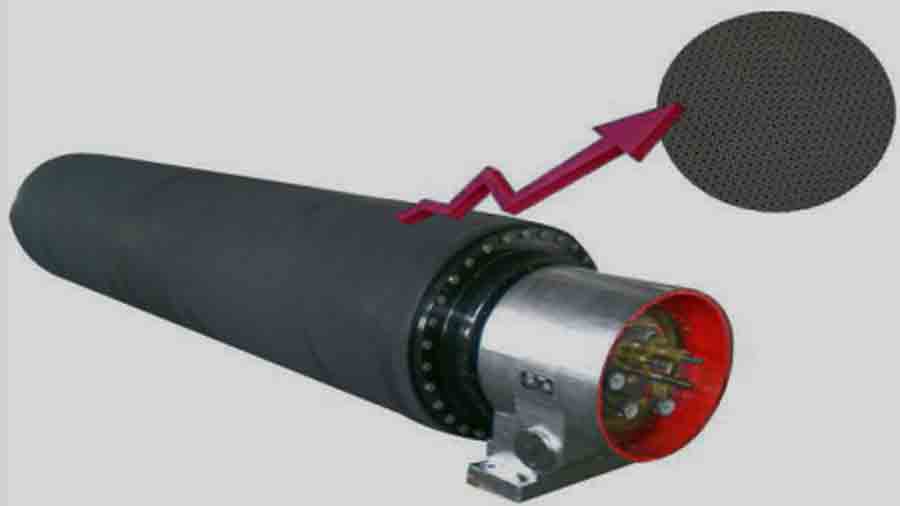
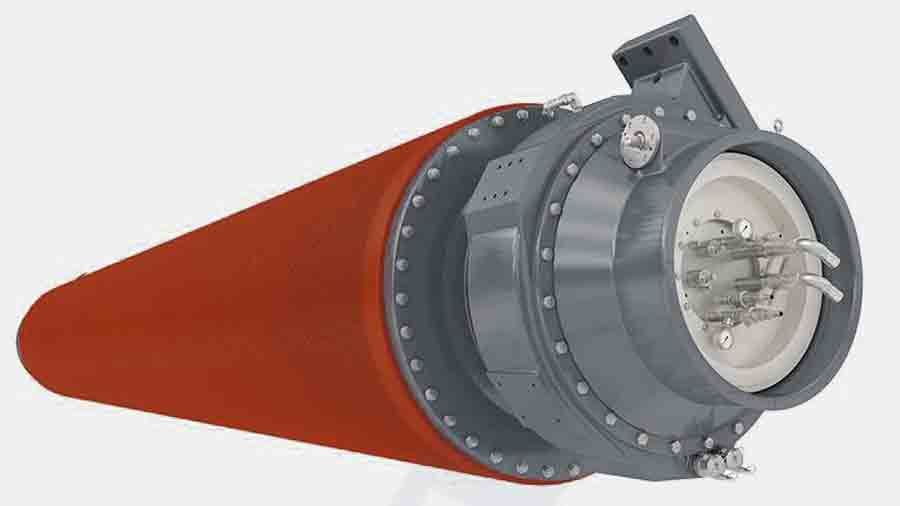
A vacuum roll in the press section operates under continuous high load. It is exposed to nip pressure together with wet fibre, fines, fillers, starch, resin, and — in recycled furnish — stickies. With small hole diameters and constant contamination input, blockage develops progressively if not controlled.
Blockage forms through two distinct pathways, and identifying the type determines the response:
| Type | Description | Key Feature |
| Surface Blockage | Contaminants accumulate at hole entrances and roll surface; holes remain open but effective suction area is reduced | Responds to high-pressure shower; visible deposits |
| Internal / Channel Blockage | Fibres, fines, or starch enter internal channels or sealing zones | No response to surface cleaning; surface may appear normal |
In mill operation, most cases are surface or mixed-type. Internal blockage develops over longer periods and is typically linked to insufficient cleaning, worn sealing strips, or sustained high contamination load.
Reading the Machine: What to Look For on the Floor
Before checking the DCS, the machine itself provides direct information. Operators should assess the press section from visible signals to more subtle changes.
On the Sheet Surface
The shadow mark (“vacuum shadow”) is the most direct indicator. It reflects uneven suction across the roll surface.
Blistering indicates a more advanced condition, where dewatering inconsistency begins to affect sheet stability and break risk increases.
A drop of 1–2% in press-out dryness, without process change, confirms reduced dewatering efficiency.
On the Roll and Felt
Visible deposits, fibre accumulation, or uneven discoloration on the roll surface confirm surface contamination and often indicate upstream sources.
A wetter-than-normal felt, or uneven moisture across width, indicates that water removal at the roll is insufficient and transferring load to the felt.
Sound — The Signal That Gets Ignored
A clean vacuum roll produces a stable and uniform suction sound. When blockage develops, the sound becomes uneven or fluctuates along the width. This change is often immediate and should not be ignored.
Reading the DCS: What the Data Actually Tells You
DCS data reflects system response rather than root cause. Reliable diagnosis requires correlating multiple signals.
| DCS Signal | Blockage Indication | Common Misread | Confirm With |
| Vacuum level | Gradual decline without setpoint change | Pump or seal water issue | Isolate pump and verify roll |
| Valve opening | Increasing under same conditions | Normal variation | Compare historical trends |
| Shower pressure | Reduced or unstable | Supply-only issue | Inspect nozzle condition |
| Sheet moisture | Gradual increase | Dryer section issue | Check press-out dryness |
Most reliable indicator:
Vacuum trending down while valve opening trends up under the same grade and speed over time.
Confirming the Diagnosis: Checks You Can Do Without Stopping the Machine
Stopping the machine carries cost. A structured sequence of checks can confirm the issue during operation.
01
Step 1 — Intensify shower system (10–15 min)
Vacuum recovery confirms surface blockage; no response indicates deeper or internal blockage.
02
Step 2 — Check nozzle condition
Verify flow, spray angle, and pressure. Partial blockage significantly reduces cleaning effectiveness.
03
Step 3 — Visual inspection at reduced speed
Direct observation confirms surface condition.
04
Step 4 — Review historical trends (4–8 weeks)
Gradual change confirms blockage; sudden change indicates system fault.
Quick field test — Film test
Uneven suction across hole positions confirms localized blockage.
Responding Correctly: Matching the Intervention to the Diagnosis
| Blockage Type | Key Signal | Primary Response | If No Improvement |
| Light surface | Mild vacuum drop | Increase shower pressure and frequency | Inspect nozzles / chemistry |
| Heavy surface | Shadow marks, wet felt | Extended cleaning at reduced speed | Plan shutdown cleaning |
| Internal | No response to cleaning | Internal inspection and flushing | Full overhaul |
| Sealing wear | Gradual vacuum loss | Inspect strip condition and pressure | Replace strips |
Actions should match the confirmed condition. Misaligned response leads to repeated issues.
Prevention: Keeping the Roll Clean Before It Becomes a Problem
The most cost-effective vacuum roll maintenance is the maintenance that prevents the blockage from reaching the diagnostic threshold in the first place. Three areas deserve consistent attention:
1. Shower System Integrity
The high-pressure oscillating shower is the primary defence against roll blockage. Its effectiveness depends on three things: nozzle tip condition (replace on a scheduled interval, not on failure), oscillation frequency and amplitude (verify periodically that the drive is functioning and coverage is uniform), and supply pressure (maintain within design range — low shower pressure is probably the single most common preventable cause of progressive roll blockage).
2. Contamination Source Control
Vacuum roll blockage is a symptom of what is happening upstream in the furnish and process chemistry. High resin content, excessive stickies from recycled fibre, or inadequate retention and drainage chemistry all increase the contamination load on the press section. Analysing the composition of deposits on blocked rolls — whether resin, fines, starch, or stickies — tells you where in the process to intervene, not just how to clean the roll.
3. Sealing Strip Condition
Sealing strips inside the suction box define the vacuum zone geometry and prevent bypass airflow. Worn or mis-seated strips reduce vacuum efficiency independently of surface cleanliness — and they create the pressure differential conditions that make internal contamination more likely. Include strip condition in every scheduled shutdown inspection, and track wear rate against operating hours.
Putting It Together: A Diagnostic Sequence
| Step | What to Check | What It Tells You | If Positive |
| 1 | Sheet condition | Dewatering inconsistency | Proceed to DCS check |
| 2 | DCS trend | Vacuum capacity loss | Confirm blockage |
| 3 | Shower system | Cleaning effectiveness | Correct deficiencies |
| 4 | Cleaning response | Blockage type | Decide next action |
| 5 | Visual / film test | Suction distribution | Confirm condition |
| 6 | Internal inspection | Internal issue | Plan shutdown |
Consistent use of this sequence allows early identification before shutdown occurs.
About PMTEC
PM Zhengzhou Technology Co., Ltd. (PMTEC) provides full-scope solutions for paper mills, covering press sections, forming sections, and key components.
Vacuum roll blockage is one of the most common runnability issues — and one of the most manageable when identified early.