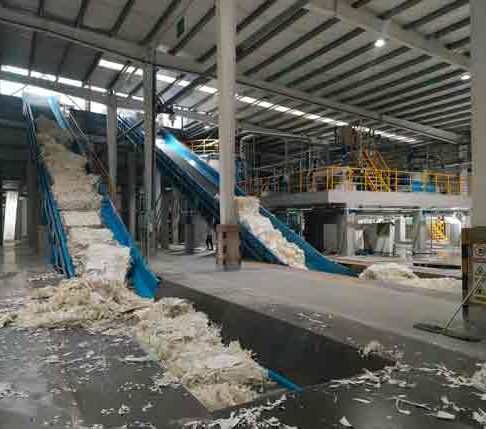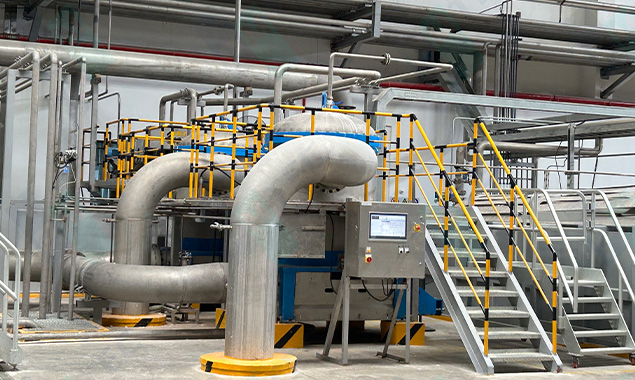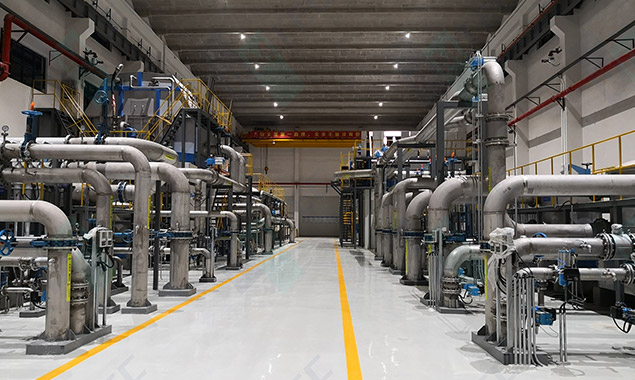

A pressure screen is a key protection point in the stock preparation system. It keeps fibre bundles, stickies, plastics, sand, and other contaminants away from the headbox, forming section, press felts, and downstream equipment. When it runs well, it is almost invisible. When it does not, the impact appears quickly in sheet quality, energy consumption, reject loss, vibration, and machine downtime.
This article keeps the focus practical: five common pressure screen problems, their likely causes, and the corrective actions that should be checked before replacing major components.
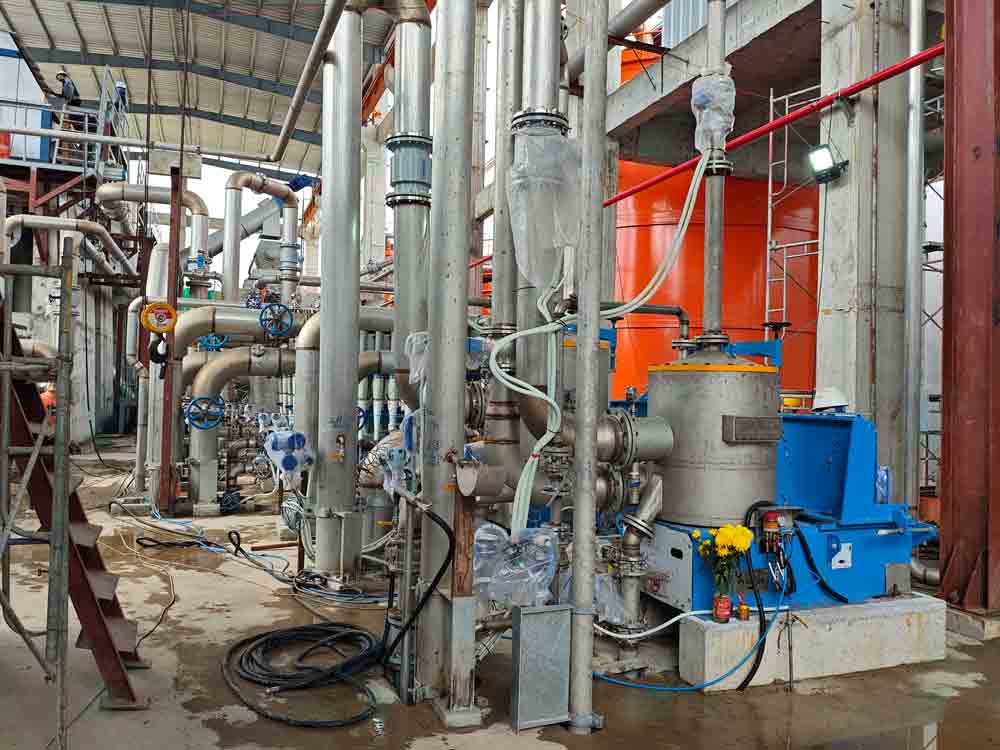
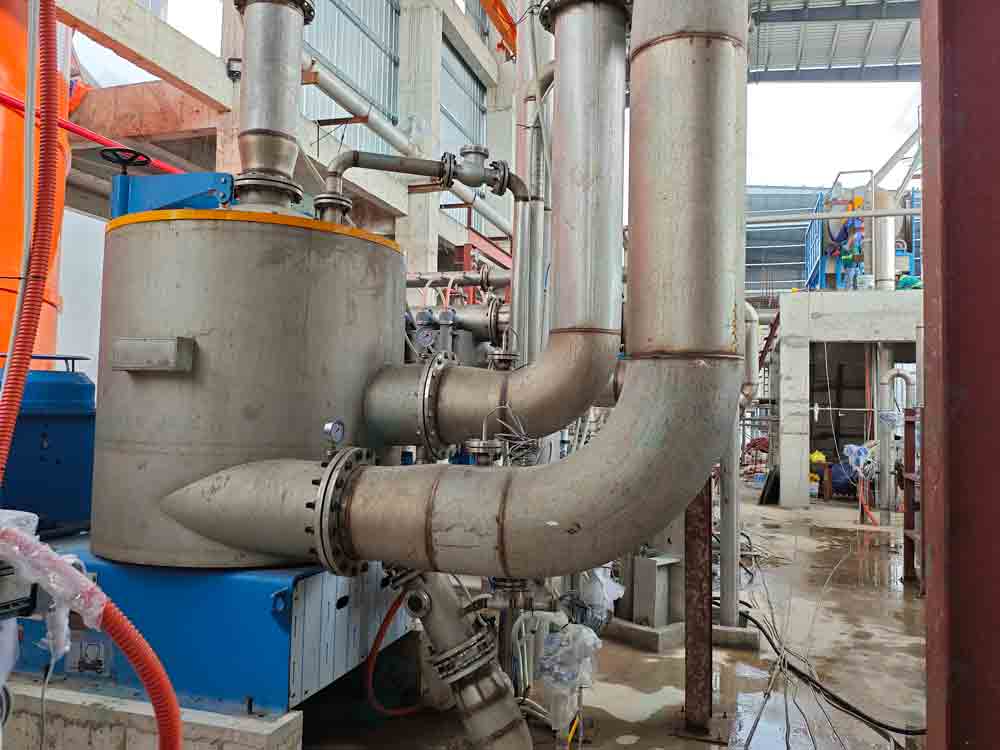
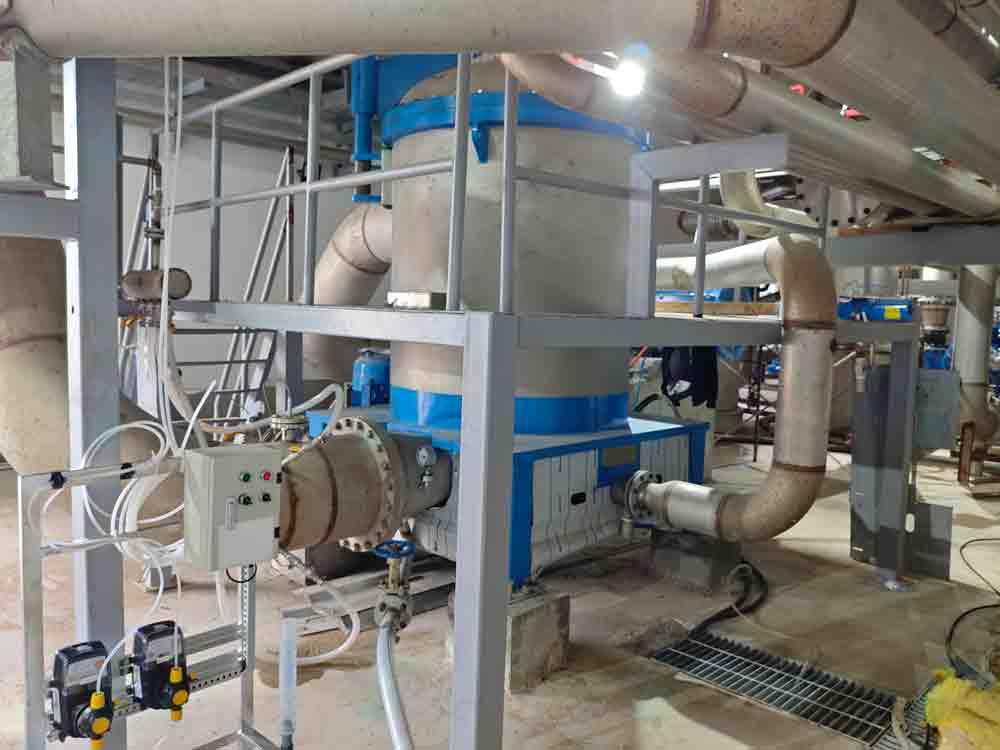
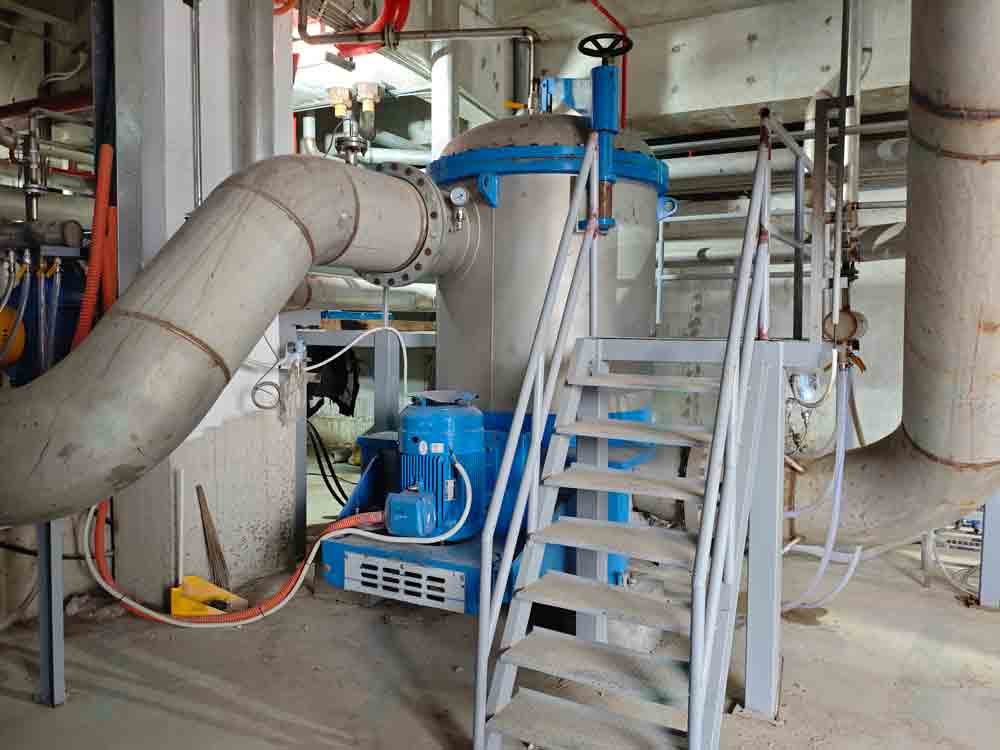
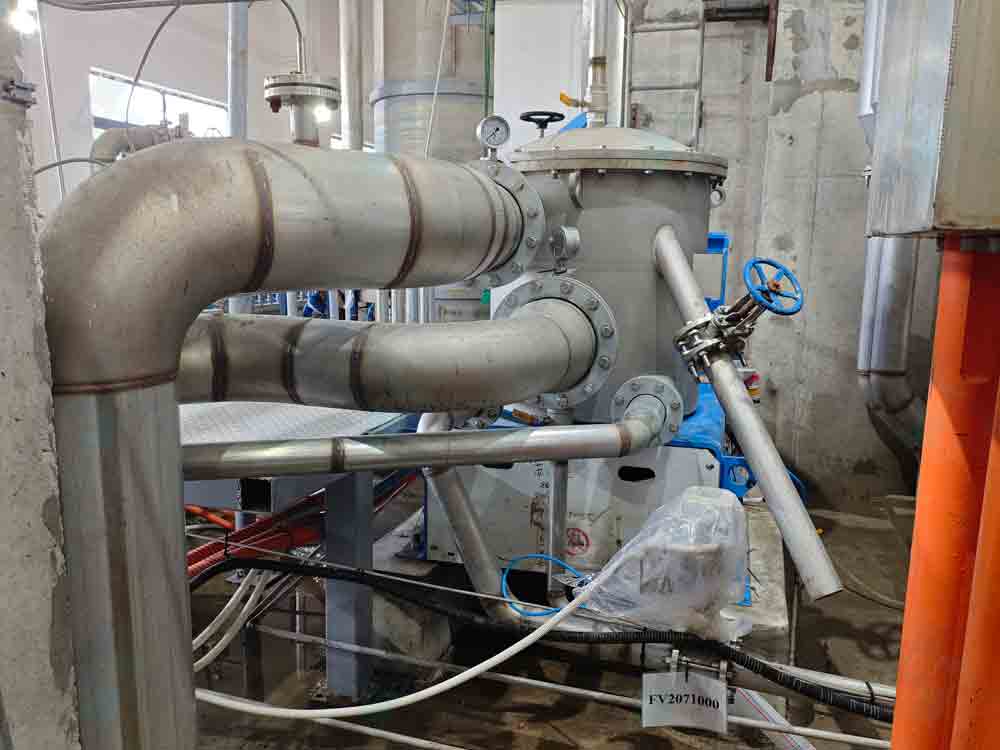
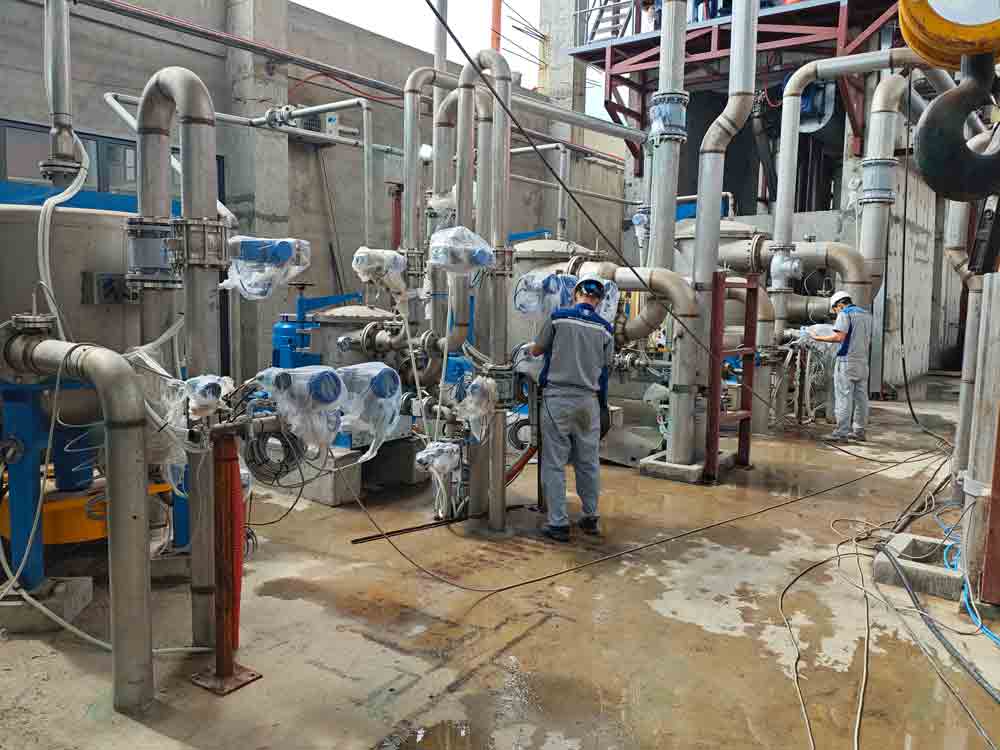
1-How a Pressure Screen Works
Stock enters the screen under pressure and flows toward the screen basket. The rotor, normally running at 200–800 rpm depending on machine design and application, creates alternating pressure pulses near the basket wall. Positive pulses help push acceptable fibres through the slots or holes, while negative pulses clear the basket surface and reduce blinding. Oversized or non-passable contaminants are discharged through the reject outlet.
| Component | Main Function | Typical Control Point |
| Screen basket | Forms the physical separation barrier. Slot width or hole diameter determines what can pass. | Slot width: about 0.10–0.50 mm; hole diameter: about 0.8–4.0 mm, depending on stock and application. |
| Rotor | Generates pressure pulses, disperses fibre flocs, and helps keep the basket surface open. | Rotor speed: commonly 200–800 rpm; blade-to-basket clearance must follow OEM specification. |
| Reject outlet / dilution water | Removes non-passable contaminants and controls reject consistency and good fibre loss. | Reject rate is often around 10–25% of feed, but must be optimized by furnish, screen duty, and quality target. |
2-Pressure Screen Operating Problems: Causes and Corrective Action
Each section below covers one problem: the observable symptom, the root causes behind it, and the specific corrective action for each cause.
Problem 1 — High Differential Pressure (DP) : The Most Common Warning Signal
Symptom: Feed-to-accept DP rises above design range. Consequences: throughput drops, energy consumption rises, basket wear accelerates, vibration increases — with forced shutdown risk at the extreme.
| Likely Cause | Corrective Action |
| Basket blinding — fibres, stickies, resin, or scale blocking slots | Temporarily increase reject rate to flush the basket. Reduce feed consistency to design range and confirm consistency meter accuracy. For stickies or resin, schedule alkaline or solvent-based cleaning. For scale, use warm diluted acid cleaning only after checking water chemistry. If blinding remains, stop and wash the basket inside and outside with high-pressure water. |
| Feed flow exceeds design capacity | Reduce feed pump speed or throttle feed valve to rated flow. Verify flow meter calibration. |
| Reject line restricted — low reject rate causes contaminant overload inside basket | Check reject valve operation and downstream pipeline for blockage. Increase reject rate incrementally while monitoring accept quality. |
| Rotor blade worn — reduced pulse intensity, insufficient basket clearing | Inspect blade condition and blade-to-basket clearance at next planned stop. Replace blades if worn beyond OEM tolerance. Verify clearance setting after installation. |
| Excess air or foam — air layer on basket surface impedes stock passage | Identify the upstream air ingress point (pump cavitation, unsealed agitator, broken mechanical seal). Add defoamer if process conditions permit. Consider installing a degassing vessel upstream of the screen. |
Problem 2 — High Motor Current: Confirm DP Before Mechanical Repair
Symptom: Motor running current persistently above rated value. Consequences: motor overheating, tripping, accelerated drive wear, increased energy cost.
Diagnostic note: In most cases, high motor current traces back to high differential pressure. Confirm whether DP has also risen before pursuing the mechanical checks below.
| Likely Cause | Corrective Action |
| Mechanical friction — bearing failure, rotor-to-basket contact, foreign object on rotor | Stop the screen and manually rotate the rotor. Any stiffness, rubbing, or catching suggests a mechanical issue. Check bearing temperature, noise, and vibration. Inspect basket deformation and rotor clearance. |
| Feed consistency too high, or high viscosity from stickies load | Reduce feed consistency to design range. Address stickies at source upstream — enhance deflaking, add chemical detackifier. If rotor has deposits, schedule chemical cleaning. |
| Rotor speed too high for the application | If a VSD is fitted, reduce rotor speed incrementally while monitoring DP and accept quality. The target is the lowest speed that maintains an acceptable differential pressure. |
| Shaft misalignment or electrical fault — low supply voltage, winding degradation | Check coupling alignment between motor, gearbox (if fitted), and screen shaft. Verify that supply voltage is within rated range. Have an electrician check motor winding insulation. |
Problem 3 — Poor Screening Efficiency: Contamination Breakthrough or Fibre Loss
Symptom A — Contamination breakthrough: excessive contaminants passing into accepted stock, leading to downstream quality problems or equipment damage. Symptom B — Excessive fibre loss: good fibres carried out in the reject stream, reducing yield and increasing raw material cost. Both require investigation but point to opposite corrective directions.
| Likely Cause | Corrective Action |
| Basket slots worn wider — contaminants passing through (Symptom A) | Measure slot width at next planned stop using feeler gauges or optical measurement. Replace basket if worn more than 15% above nominal. For abrasive stocks, consider tungsten carbide edge-coated basket to extend service life. |
| Reject rate too low — contaminants not being purged fast enough (Symptom A) | Increase reject rate incrementally. Check that the reject valve and downstream pipeline are operating correctly. |
| Reject rate too high — good fibres lost with rejects (Symptom B) | Reduce reject rate incrementally while monitoring accept quality. Verify that upstream deflaker and cleaner cascade are functioning — effective upstream cleaning allows the screen to run at a lower, more efficient reject rate. |
| DP too low — insufficient driving force through basket | Check feed pump pressure and flow rate. Verify both pressure gauges are reading correctly — fouled gauge sensing lines give false low readings. |
| Feed consistency fluctuating — unsteady operating point | Stabilise upstream chest agitation, dilution water flow, and consistency control loop. Check consistency meter calibration and control loop response time. |
Problem 4 — Excessive Vibration : Mechanical and Hydraulic Causes
Symptom: Abnormal vibration at the screen body or drive. Consequences: accelerated bearing and seal wear, fatigue cracking of connections and pipework, noise.
| Likely Cause | Corrective Action |
| Rotor imbalance — uneven blade wear, deposits, or broken blade | Inspect rotor at next stop. Remove deposits; rebalance or replace rotor if blade damage is confirmed. |
| Bearing failure or shaft misalignment | Replace damaged bearings. Check and correct shaft alignment between motor, gearbox (if fitted), and screen. |
| Foundation or mounting bolts loose | Retighten all mounting bolts to specified torque. Inspect foundation for cracking or grout failure and arrange repair if found. |
| Severe uneven basket blinding — fluid-induced vibration from asymmetric flow | Increase reject rate immediately to attempt self-clearing. If vibration persists, reduce to safe operating speed. Schedule a planned stop for high-pressure basket wash and rotor inspection. |
Problem 5 — Stock Leakage : Do Not Treat It as a Minor Housekeeping Issue
Symptom: Stock visible outside the screen body. Consequences: production loss, slip hazard, environmental non-compliance.
| Likely Cause | Corrective Action |
| Shaft seal worn or failed | Replace shaft seal at next planned stop. Do not defer — a degraded seal worsens rapidly. For mechanical seals, verify that seal flushing water is at specified pressure and flow rate. |
| Flange gasket failure or loose fasteners | Retighten flange bolts to specification. If leakage persists after retightening, plan a stop to replace the gasket. |
| Screen body corrosion or weld crack | Identify the leak point during shutdown. Arrange qualified weld repair or section replacement. If corrosion is progressing faster than expected, review process water chemistry — pH, chloride level, and dissolved oxygen. |
3-Pressure Screen Preventive Maintenance Checklist
Most pressure screen failures develop gradually. The table below defines what to track, the action threshold, and what action to take.
| Parameter | How to Monitor | Action Threshold | Action |
| Differential pressure | Continuous DCS trend; log every shift | >10% above baseline at same grade and speed | Investigate blinding root cause |
| Motor current | Continuous DCS or local ammeter; log daily DCS | >90% of rated current with stable process | Check DP first, then mechanical inspection |
| Bearing temperature & vibration | Weekly manual check; continuous sensor if available | Temp >80°C or step change in vibration | Grease or replace at next stop; do not run to failure |
| Basket slot width | Feeler gauge or optical measurement at each planned stop | >15% above nominal slot width | Replace basket |
| Rotor blade & clearance | Inspect per OEM checklist at each planned stop | Blade worn beyond OEM limit or clearance out of spec | Replace blade; reset clearance |
| Shaft seal condition | Inspect at each planned stop; check seal flush water flow daily | Any seep or irregular flush water consumption | Replace at next stop — do not defer |
Why Upstream Stock Quality Decides Screen Stability
Deflaker performance, cleaner cascade efficiency, and stickies control in recycled fibre lines have a larger long-term effect on pressure screen stability than any maintenance action applied to the screen itself. A screen fed with well-cleaned, consistent stock operates at lower differential pressure, lower motor current, lower reject rate, and achieves longer basket life than the same screen receiving variable or contaminated feed.
4-Summary
High differential pressure and high motor current are the two most consequential pressure screen problems — and they usually share a root cause: basket blinding from inadequate cleaning, wrong operating parameters, or insufficient upstream contaminant control. The corrective response needs to match the specific cause, not default to the same action every time. Monitor the six key parameters continuously, hold cleaning schedules, and treat upstream stock quality as the primary performance lever.
About PMTEC
PM Zhengzhou Technology Co., Ltd. (PMTEC) provides full-scope solutions for paper mills — including stock preparation systems, pressure screens, and related components. The diagnostic and maintenance guidance in this article reflects problems our engineering team encounters regularly during system commissioning, process troubleshooting, and planned maintenance support.