
In paper machine operation, Cross-Direction (CD) basis weight variation is one of the most common yet frequently misinterpreted process challenges. Standard mill practices often immediately attribute these issues to localized slice lip or headbox adjustments. However, from the long-term perspective of system integration and engineering field experience, CD variation is rarely caused by a single equipment malfunction; it is fundamentally the final expression of systemic instability across the entire machine.
The deterioration of CD profiles is never a “point failure” — it is the cumulative result of continuous process fluctuations propagating along the production line.
1. Mechanisms of Formation: Cumulative Structural Variations
From the perspective of fluid dynamics and sheet formation, CD basis weight is not generated instantaneously at the headbox slice exit. Instead, it develops progressively from the moment the stock enters the approach flow system.
Cumulative Flow Effects
Cross-direction flow distribution, consistency stability across the machine width, and retention behavior during the forming stage continuously overlay and accumulate during continuous operation, ultimately manifesting as complex structures on the scanner profile.
Engineering Control Direction
Therefore, resolving CD variation is not about reactive, localized adjustment; it is about analyzing how the structural profile is built up step-by-step as a systemic outcome.
2. The Headbox as a Disturbance Amplifier
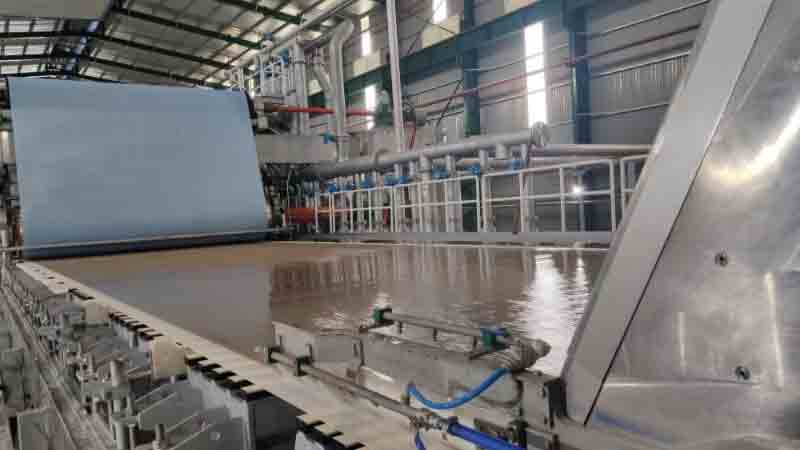
In mill operations, the headbox is widely considered the absolute core of CD control. However, under real dynamic working conditions, its true role is more accurately described as a disturbance amplifier. It cannot correct upstream stock instability; instead, it converts these minor input fluctuations directly into the sheet structure.
- Periodic pulsations from upstream pressure screens
- Minor mechanical vibrations within the approach flow system
- Uneven mixing in the white water recirculation loop
Once any of these wet-end disturbances enter the headbox, they are amplified and locked into the web. This explains why many CD issues appear to originate at the headbox, while their actual root causes lie hidden much further upstream.
3. Slice Lip Boundaries & The Hidden Consistency Matrix
The Operating Boundaries of Slice Lip Adjustment
The slice lip is frequently adjusted by operators, but its physical boundaries are highly defined. It is primarily designed to correct stable CD offsets (such as persistent edge-heavy or center-heavy profiles, or mechanical machining deformations). For cyclic fluctuations or random CD variations, over-adjusting the slice lip fails to solve the root problem and introduces localized shear instability, which degrades two-sidedness and the CD/MD tensile ratio.
Core Engineering Principle: If CD variation manifests as frequent, fluctuating, or shifting patterns, the slice lip is usually not the root cause.
The Highly Underestimated “Consistency Distribution”
Even when the total flow rate and total headbox pressure are completely stable, minor cross-direction variations in stock consistency will cause significant CD basis weight shifts. These issues typically stem from:
- Insufficient white water mixing
- Uneven agitation in stock chests or high-density towers
- Asymmetric bias currents in recirculation pathways
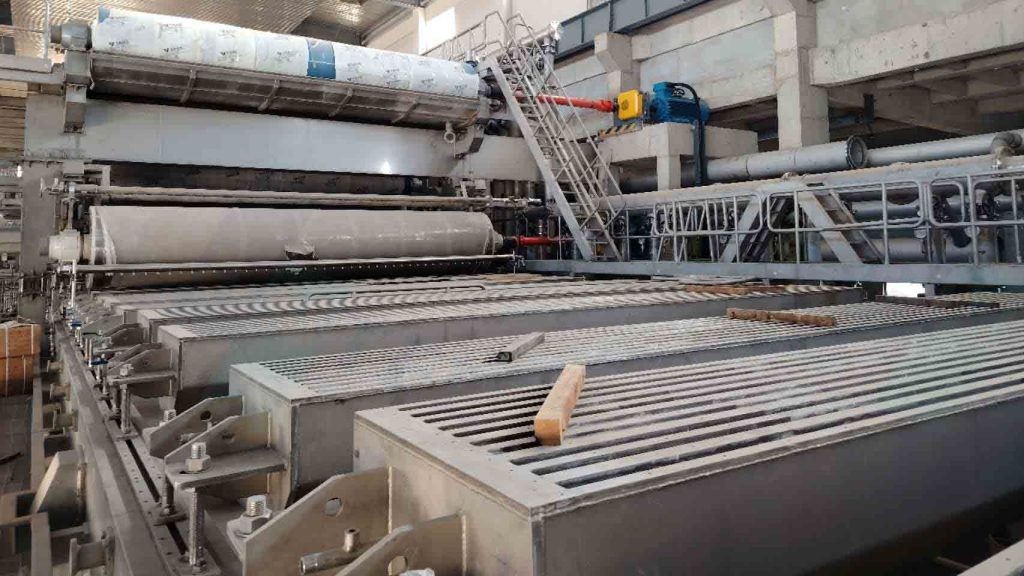
The hallmark of consistency-driven variation is that it is slow-moving, highly concealed, and persistent. It is a deep-seated structural issue within the consistency matrix rather than a simple flow or pressure problem.
4. Forming Section Redistribution & Wet-End Artifacts
Structural Redistribution in the Forming Zone
After the stock enters the forming section, the sheet structure continues to undergo dynamic reshaping. Due to localized differences in drainage rates, fibers and fines undergo secondary migration and redistribution. Consequently, the forming section is not just a dewatering stage; it is a structural redistribution stage that further exaggerates the CD differences introduced by previous processes.
Hidden Root Causes in Approach Flow Systems
In paper machines with long loop configurations, the pressure screens and approach flow systems often act as hidden root causes.
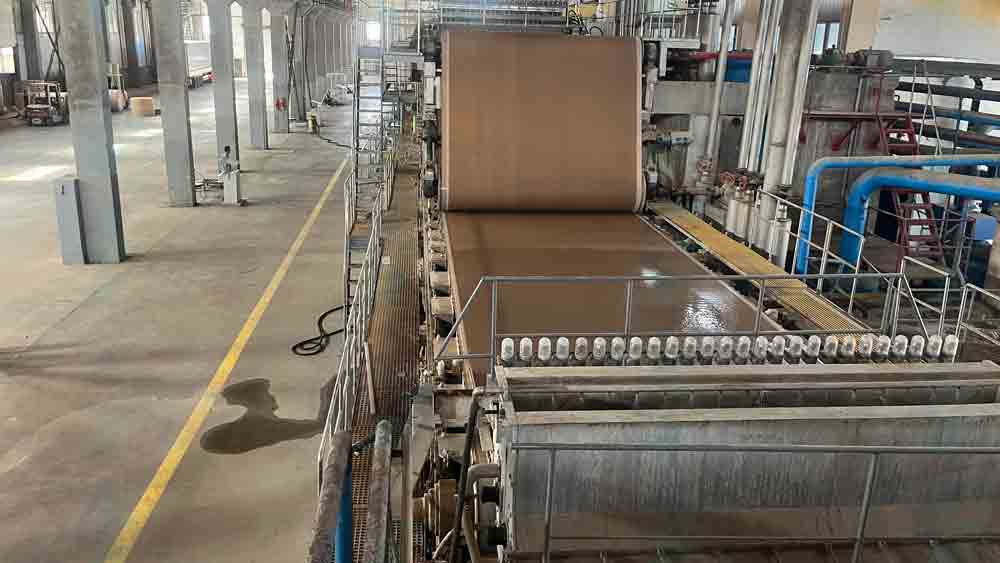
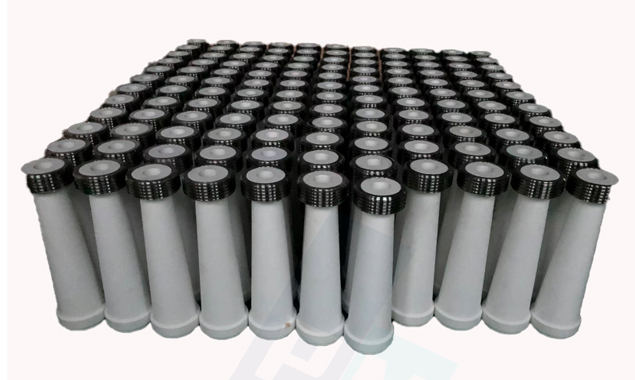
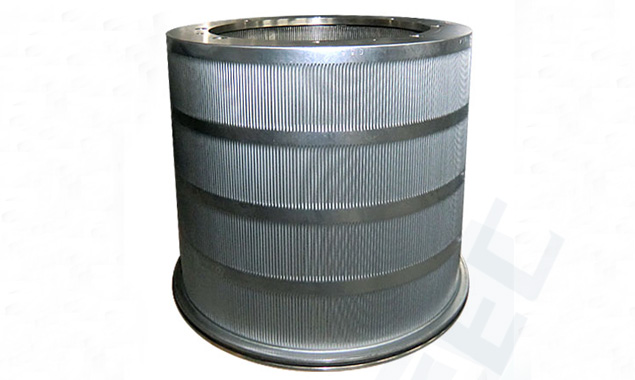
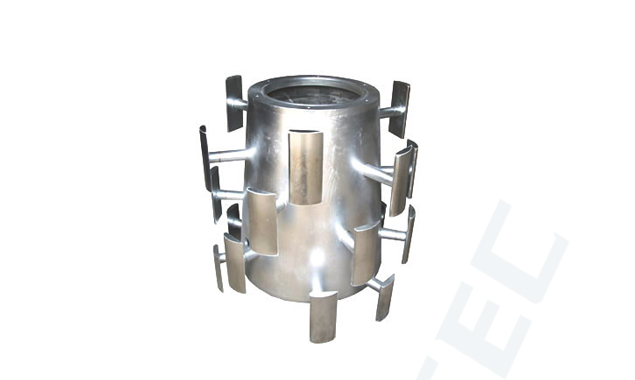
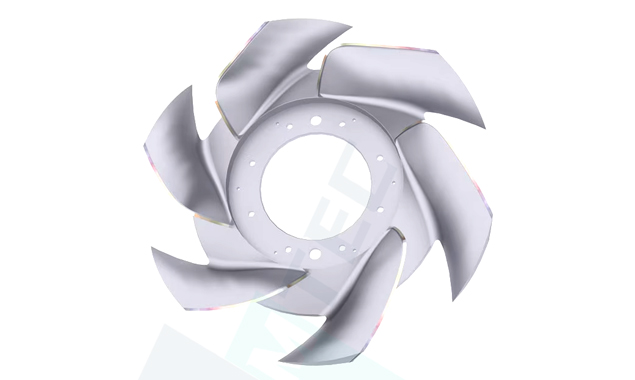
- Rotor wear or design defects
- Partial, localized clogging of the screen basket
- Asymmetric flow paths causing vortex generation
These factors generate periodic flow disturbances that propagate downstream. A typical field symptom is: temporary profile improvement immediately following shutdown cleaning or maintenance, only for the same CD variation to recur after a period of operation.
5. QCS Control Feedback Loop Mismatch
Modern paper machines rely heavily on Quality Control Systems (QCS) for automated CD profile control. However, when measurement sensors drift, scanner frames suffer from mechanical misalignment, or the mapping model fails to match actual field conditions, the automated control loop itself becomes a misleading factor.
In these scenarios, the system is actively responding to incorrect measurement signals rather than the true state of the paper web. Blindly linking this to actuators (such as dilution valves or thermal bolts) does not improve the CD profile; instead, it introduces artificial basis weight distortions across the entire web width.
Conclusion: System-Wide Engineering Over Localized Adjustments
From the perspective of comprehensive system integration championed by PMTEC, CD basis weight variation is never an isolated equipment issue; it is a comprehensive reflection of the stability of the entire paper machine process system. It results from the compounding effects of approach flow instability, headbox amplification, forming section redistribution, and control model mismatches.
Truly efficient and permanent solutions cannot rely on frequent localized troubleshooting. Instead, engineers must deeply understand how disturbances enter the system and control them at the source—by optimizing stock preparation schemes and hydraulic balance within the approach flow system. This represents the core shift from empirical mill operation to scientific process engineering in modern papermaking.