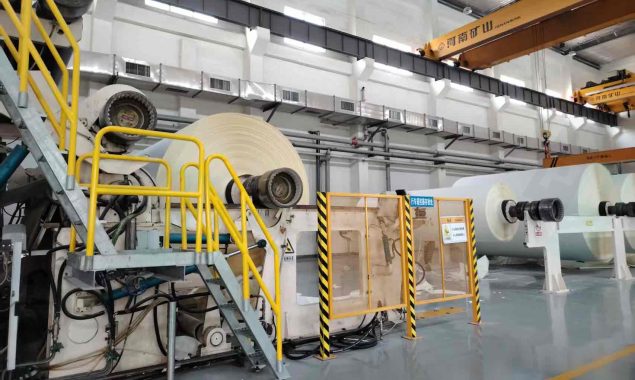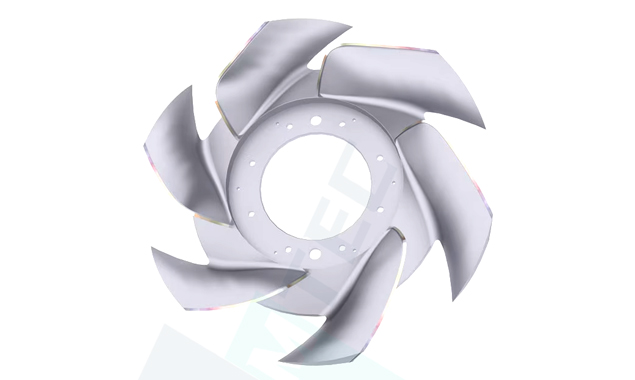
Stock preparation spare parts for the full line: bale intake to machine chest outlet. Six process stages, in line order.
1. Pulping & Detrashing
Function: defibre raw furnish; remove coarse, heavy and stringy contaminants at source.
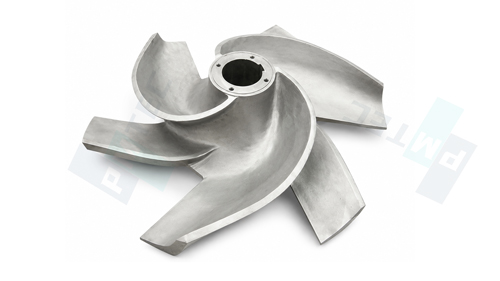
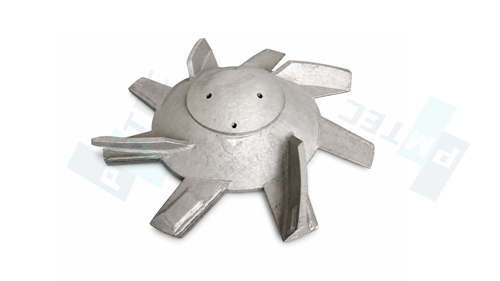
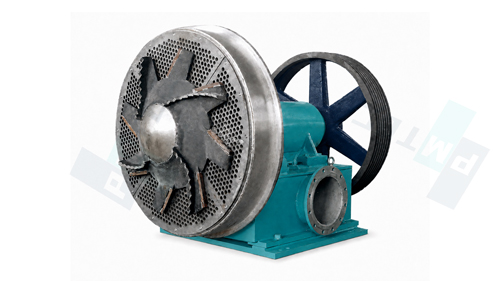
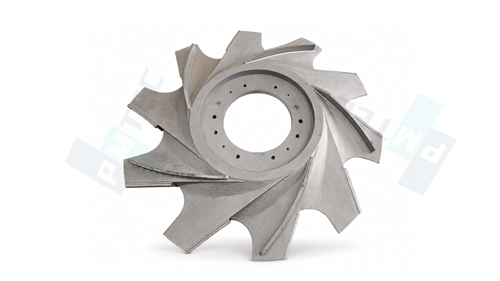
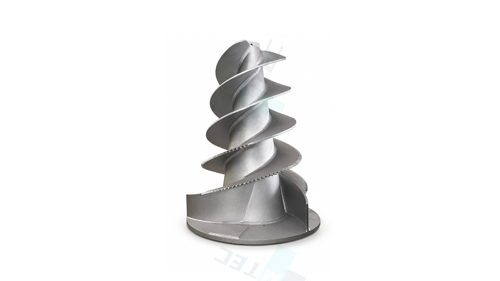
Components: pulper rotors (LC / HC / drum) · extraction and screen plates · vat wear plates and liners · rope cutter blades · ragger, grab and junk trap components · detrashing unit rotors and plates · conveyor chains, slats and wear strips
| Parameter | Selection Basis |
| Rotor type | Consistency — LC (typically 3–6%) vaned or S-type; MC (typically 8–12%); HC (typically 12–18%) helical or ribbed; drum pulper (typically 14–18%) |
| Rotor material | High-chromium cast iron, or alloy steel with hardfaced tips for OCC |
| Extraction plate hole diameter | 6–16 mm; 8–12 mm most common |
| Plate thickness | Typically 6–25 mm, set by furnish abrasiveness |
Key wear point: rotor tip clearance to the screen plate. As tips erode, defibring efficiency drops before motor load shows any change. Measure clearance at each inspection.
2. Coarse Cleaning & Screening
Function: protection stage. Remove heavy contaminants by density, then medium contaminants by size.
High-density cleaners are installed after the pulpers and before the coarse screens. Their rejects — stones, metal, concrete, heavy staples — would damage downstream equipment.
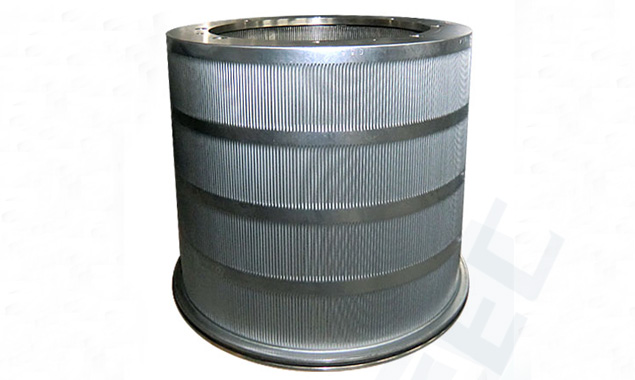
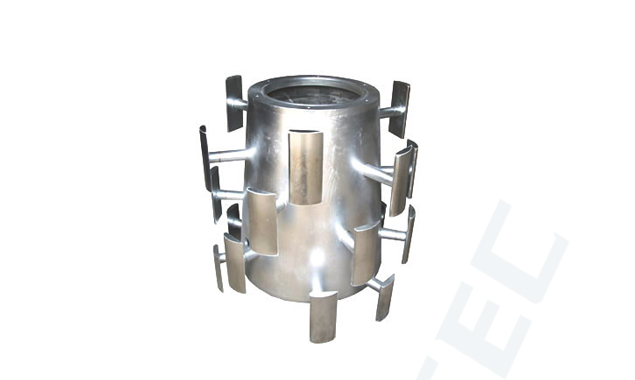
Components: HD cleaner bodies, ceramic liners and reject valves · sand separator components · coarse screen baskets (holed and slotted) · coarse screen rotors · reject separators · light impurity separators and float purger parts
| Parameter | Typical range |
| HD cleaner feed consistency | Typically 3–5% |
| Coarse basket hole diameter | 1.2–3.0 mm |
| Coarse basket plate thickness | 6–12 mm |
| Basket material | 304 / 316L stainless or duplex; hard chrome plated or hardfaced wear zone on OCC lines |
3. Fine Screening & Cleaning
Function: cleanliness stage. Remove stickies and fine contaminants by slot geometry and by density difference.
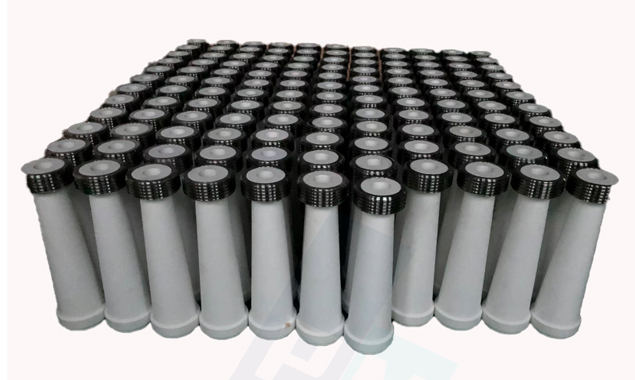
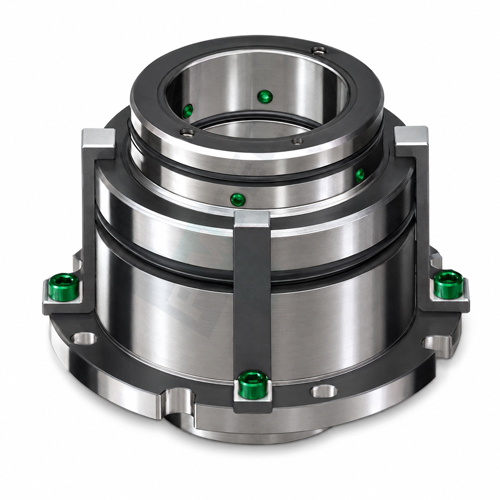
Components: slotted fine screen baskets (wedge wire / drilled) · foil, bump and closed rotors · rotor wing blades and blocks · LC forward and reverse cleaner cones · wear-resistant inlet heads · reject nozzles · glass tubes and lock nuts · mechanical seals and shaft sleeves
| Parameter | Typical range |
| Fine screen feed consistency | Typically 1.5–3.5% in stock preparation; 0.8–1.2% at the machine screen |
| Fine screen slot width | Typically 0.10–0.35 mm |
| Contour height | Typically 0.3–0.9 mm |
| Rotor tip clearance | A design value, not a wear tolerance |
| LC cleaner feed consistency | Typically 0.5–1.0% |
| LC cleaner differential pressure | Typically 100–200 kPa |
Rotor and basket are selected as a pair. Replacing one without the other reduces capacity or increases rotor power.
Key wear point: reject nozzle bore. Enlargement raises reject rate and fibre loss with no process alarm. Replace nozzles as a matched set across the bank — mixed bores cannot be balanced.
4. Fractionation
Function: separate cleaned stock into long-fibre and short-fibre fractions for separate treatment and separate plies.
Applies to multi-ply containerboard and carton board. Long fibre goes to the liner plies for strength; short fibre to the middle ply for bulk and cost.
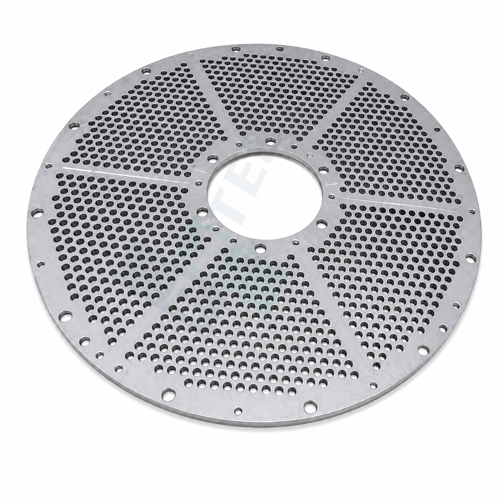
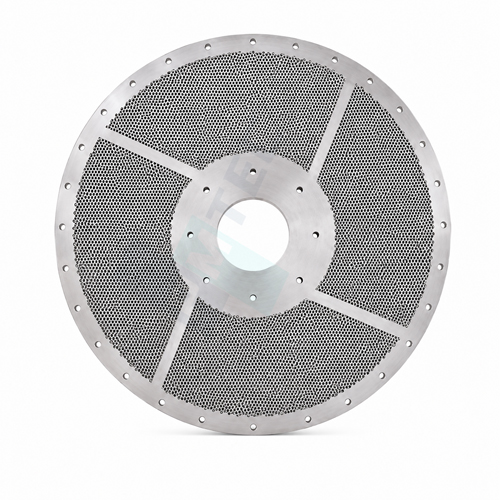
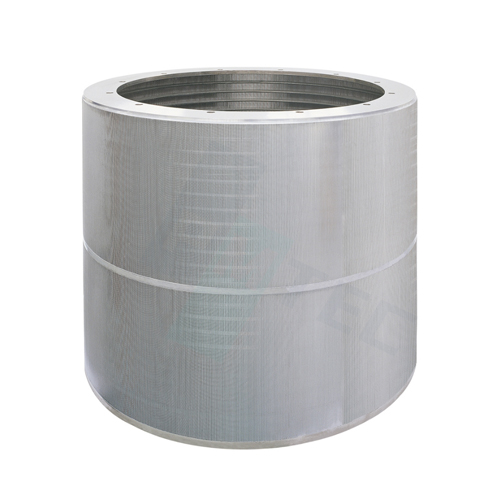
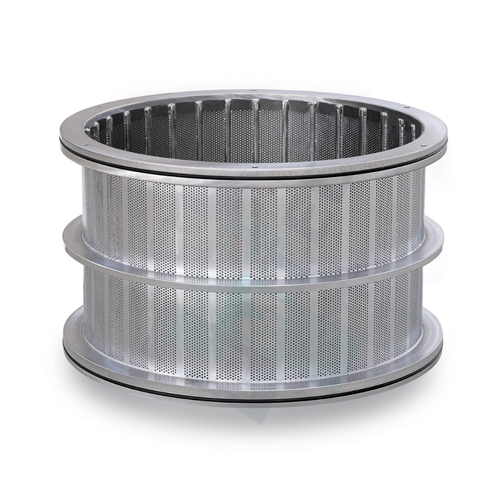
Components: fractionation screen baskets · fractionation screen rotors · hydrocyclone fractionator components · reject and accept dilution components · seals and shaft sleeves
| Parameter | Selection basis |
| Aperture type | Holes are more selective by fibre length; slots are used where fractionation and stickies removal are combined |
| Aperture diameter | Target split ratio, therefore liner ply strength |
| Reject rate | Long-fibre yield — not a loss figure in this position |
Key wear point: hole enlargement dilutes the long-fibre fraction. Liner strength drifts down over months with no alarm, and is usually compensated by higher refining energy or added virgin fibre. Measure and record hole diameter at every basket inspection.
5. Thickening & Dispersion
Function: raise consistency, remove filtrate, disperse residual contaminants below visible size.
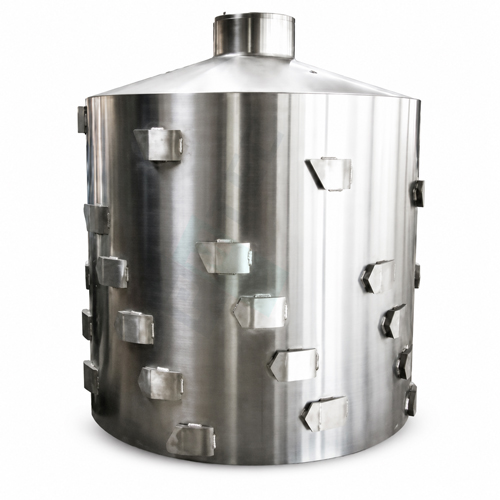
Components: disc filter sectors, plates and bags · inclined screen mesh · screw press flights and baskets · plug, shredding and heating screw components · disperger and thermal dispersion discs · gravity decker mesh · static plates, shower nozzles and seals
Key wear point: shower nozzles. Nozzle condition governs filtering surface cleaning, which governs thickener capacity. Treat as a scheduled replacement item, not a breakdown item.
6. Refining & Stock Storage
Function: develop fibre bonding; hold and blend stock to specification before the machine. In recycled lines refining is the last operation, after dispersion.
Components: disc refiner plates · conical refiner fillings · deflaker plates · refiner loading and sealing components · chest and tower agitators and propellers · agitator shaft seals
| Parameter | Effect |
| Bar width | Narrow bars fibrillate; wide bars cut |
| Groove width and depth | Stock flow and residence time in the refining zone |
| Cutting edge length (CEL) | Total bar edge per revolution |
| Specific edge load (SEL) | Refining intensity, Ws/m |
SEL = net refining power ÷ (rotational speed × CEL). CEL is expressed in km/rev, SEL in Ws/m. Typical LC refining consistency is 3–5%; typical specific energy is 40–120 kWh/t depending on furnish and target.
Typical SEL by furnish: unbleached softwood kraft 2.0–3.0 · bleached softwood kraft 1.0–2.0 · hardwood / eucalyptus 0.2–0.6 · recycled 0.2–0.8 Ws/m
Deflaker plates are listed here as a component family. In the line itself, deflakers normally sit on the reject line or after coarse screening rather than alongside LC refining.
A finer pattern gives longer CEL and therefore lower SEL at the same power. Replace plates as complete matched sets; mixed wear stages produce an uneven gap.
Fault diagnosis
| Observation | Likely cause |
| Defibring efficiency falling at unchanged power | Rotor tip wear; clearance to screen plate |
| Flakes or shives increasing downstream | Screen plate hole enlargement |
| Contaminants reaching fine screens | Plate wear, or detrashing capacity exceeded |
| Screen differential pressure rising | Basket plugging — check rotor tip wear first |
| Dirt specks in the sheet | Cleaner cone erosion; consistency above design; low differential |
| Fibre loss in cleaner rejects | Reject nozzles worn |
| Liner strength drifting down | Fractionation basket hole enlargement |
| Thickener capacity falling | Blinded surface; worn or plugged shower nozzles |
| Strength development falling at constant refining power | Refiner bar edges rounded |
| Specific energy per tonne rising | Worn plate pattern, or gap closed to compensate |
Frequently asked questions
Can a pulper rotor be hardfaced instead of replaced?
Where the base casting is sound and wear is confined to defined zones, rebuilding with a suitable hardfacing alloy restores geometry. Cracked castings or loss of structural section require replacement.
Does a smaller screen plate hole always improve cleanliness?
No. It reduces capacity, raises plugging risk and moves more contaminant into the reject stream. Hole size is selected against the whole detrashing chain.
Can screen baskets be reverse engineered from a sample?
Yes. Slot geometry is measured on unworn sections and the manufacturing drawing is issued for confirmation before production.
Ceramic or polyurethane cleaner cones?
Ceramic for abrasive, grit-heavy furnish with controlled impact risk. Polyurethane where impact or handling damage recurs.
How is refiner plate life measured?
In tonnes of production rather than operating hours, and assessed against specific energy per tonne and the strength achieved.
Compatibility statement
PMTEC supplies compatible components for major international and Chinese paper machinery brands. Brand names are used for identification purposes only. All trademarks remain the property of their respective owners. PMTEC is an independent spare parts supplier and is not affiliated with or endorsed by the machine builders referenced.
Data required for enquiry
- Equipment builder, model and position in the line
- Component dimensions, or drawing / sample
- Existing aperture data — hole diameter, slot width, contour height, open area
- Rotor type and tip clearance
- Operating consistency, flow, temperature, pH
- Furnish type and target grade
- Current service life and required life
- Photographs of worn components