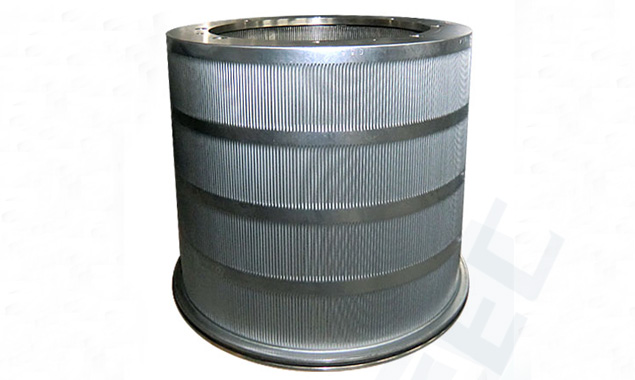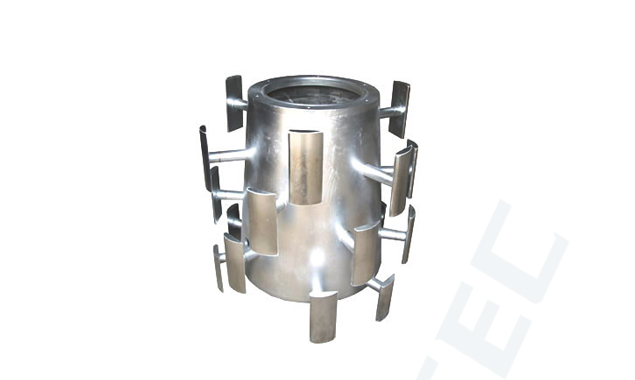

Recovered fibre is shaping containerboard investment in the Middle East and Africa, while Latin America continues to add hardwood market pulp and integrated tissue capacity. The growth is real, but the equipment logic is different in each market.
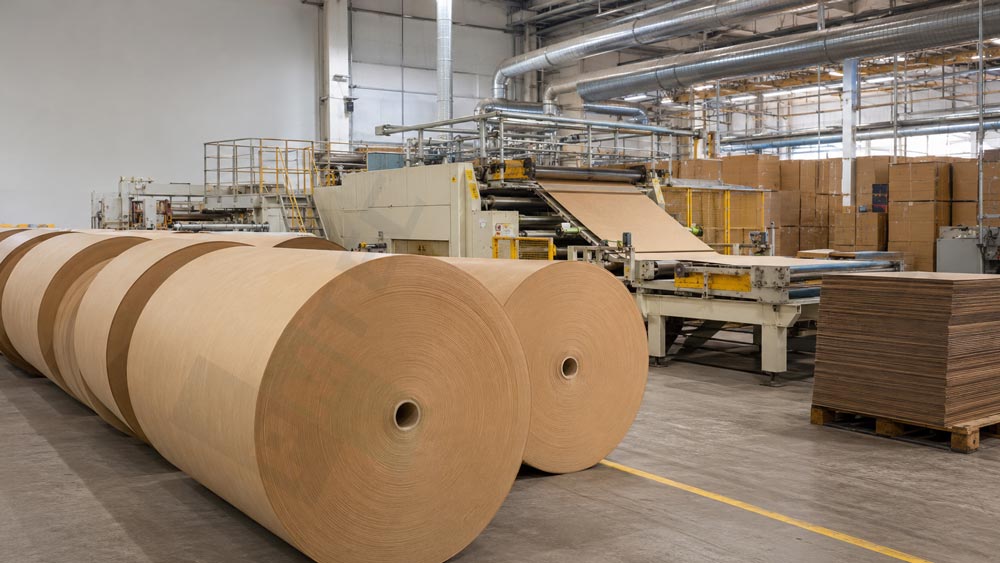
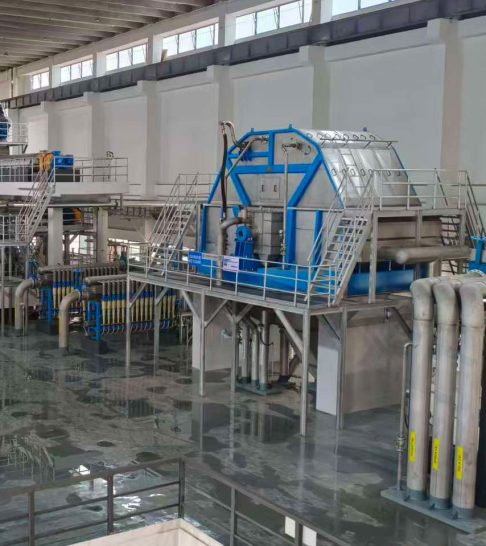
Figure 1. Packaging demand begins downstream, but the investment case must still work backward through grade, furnish, utilities and logistics. (Illustrative industry image.)
A divided investment cycle
Europe’s paper and board output fell 1.6% in 2025, and early 2026 data still pointed to weakness. North American producers also continued to rationalise high-cost assets. In these mature markets, capital is increasingly directed toward conversion, cost reduction and asset reliability rather than broad greenfield expansion.
The Middle East and parts of Africa are different because import substitution, packaging consumption, waste policy and local fibre recovery are advancing together. Latin America is different again: its advantage starts with plantation fibre and low-cost hardwood pulp, then extends downstream into tissue and selected packaging grades.
Middle East and Africa: recycled containerboard follows the fibre system
A useful 2026 reference point is Star Paper Mill’s recycled paper project in KEZAD, Abu Dhabi. The disclosed design capacity is 135,000 tonnes per year, covering recycled semi-kraft liner, white-top liner, testliner, fluting and bag paper. The project is important not because it proves a region-wide forecast, but because it shows the model clearly: local recovered paper, recycled containerboard, port access and regional exports are designed as one system.
Policy helps both the supply and demand sides, but the scope must be stated accurately. Tadweer Group’s target is to divert 80% of Abu Dhabi’s waste from landfill by 2031; it is not a UAE-wide recovery rate. The UAE also moved into the second phase of its nationwide restrictions on selected single-use plastic consumer products in 2026. In Kenya, the 2024 Extended Producer Responsibility regulations require producers and importers to manage products and packaging through the post-consumer stage. These measures do not automatically create paper demand, but they improve the economics of collection and make fibre-based packaging more competitive in selected uses.
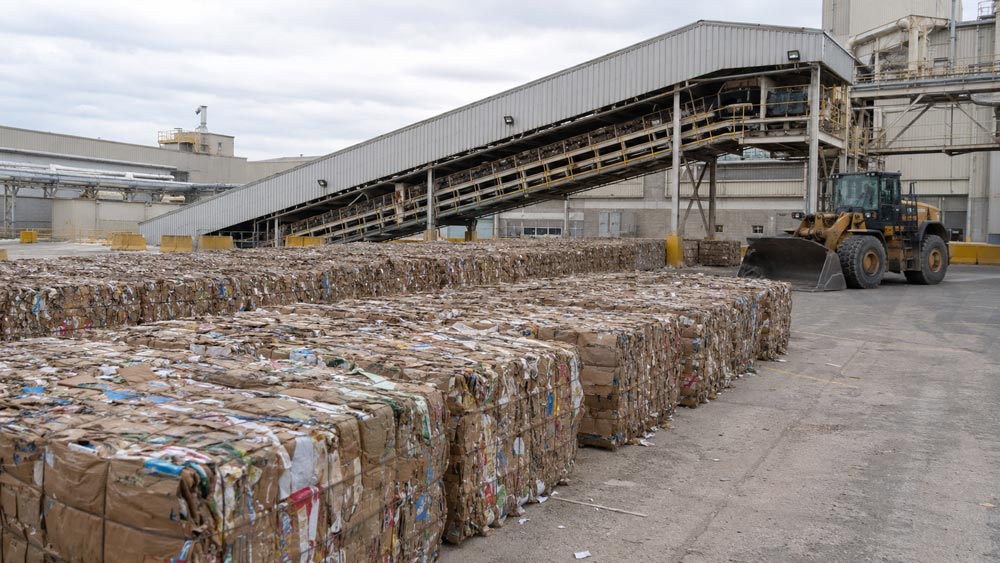
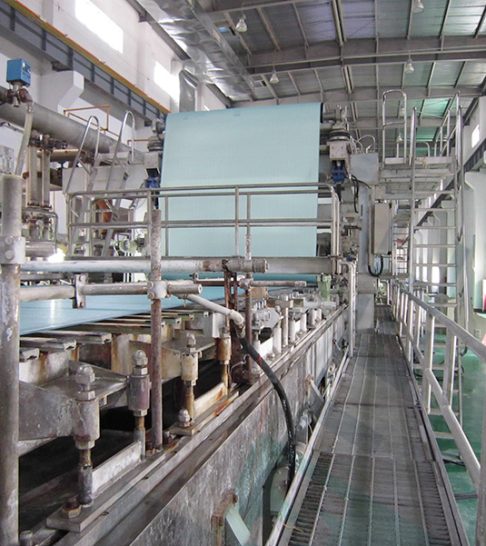
Figure 2. The sustainable capacity of a recycled containerboard line is constrained by usable fibre, contamination and yield—not by nameplate paper-machine output alone. (Illustrative industry image.)
For mills, the raw-material question comes before the machine question. OCC collection volume, moisture, prohibitives, ash, stickies, bale consistency and seasonal variation determine pulping yield, reject load, water demand and the size of the screening and cleaning system. A nominally local-fibre project can still become import-dependent if collection quality or density does not keep pace with the machine.
Product design is equally local. Containerboard moving through hot, humid logistics chains should be validated for moisture profile, Cobb value, SCT/RCT and finished-box ECT under agreed conditioning—not specified by basis weight alone. Depending on the grade, the economic recipe may combine stronger top furnish, recycled middle layers, targeted refining and surface starch or barrier treatment.
Latin America: hardwood pulp scale, then downstream integration
Latin America’s largest investments remain fibre-led. Suzano started its 2.55-million-tonne-per-year Ribas do Rio Pardo line in July 2024. ARAUCO’s Sucuriú project in Brazil is designed for 3.5 million tonnes per year of bleached hardwood kraft pulp, with start-up targeted for the fourth quarter of 2027. Together, projects of this scale reinforce Latin America’s role as the global supply anchor for eucalyptus market pulp.
The market implication should be stated carefully: new supply does not guarantee a permanently low pulp price, because ramp-up, downtime, freight, exchange rates and demand can all change the balance. It does, however, raise the volume that high-cost producers must compete against and strengthens the negotiating position of non-integrated buyers when supply is loose.
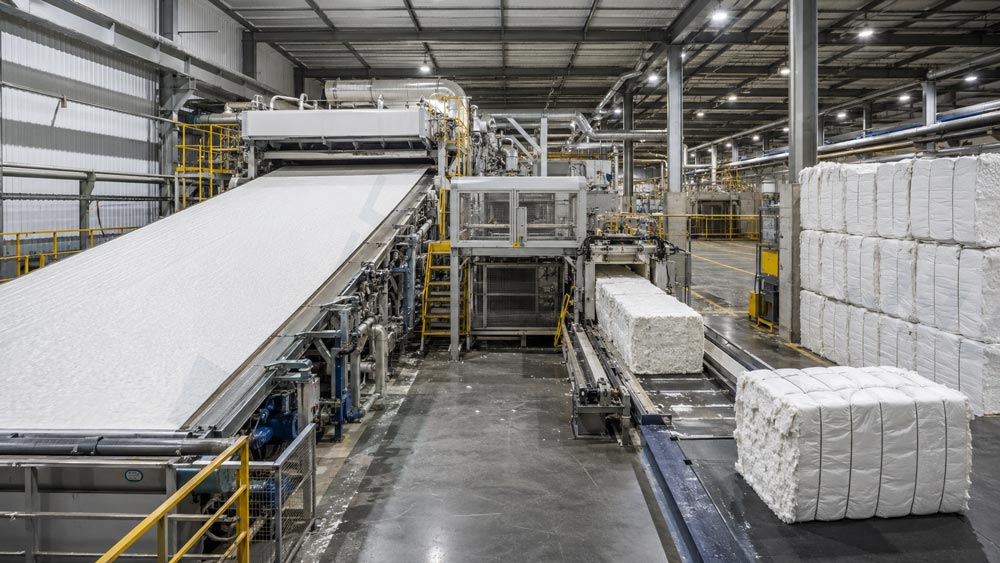
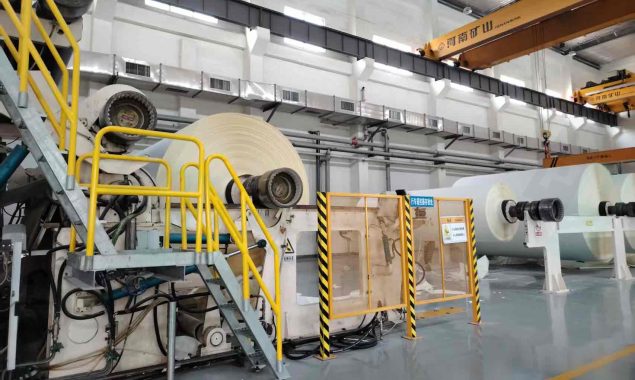
Figure 3. Latin American investment is still led by large pulp lines; tissue expansion is strongest where fibre, steam, power and logistics can be shared. (Illustrative industry image.)
Downstream expansion is increasingly integrated rather than standalone. Suzano’s Aracruz tissue mill, with 60,000 tonnes per year of capacity, began operating in September 2025 and continued its ramp-up into 2026. Its location inside an existing pulp complex reduces fibre transport and allows utilities and logistics to be shared. The same logic explains why tissue capacity in Latin America often appears as a measured addition to an existing fibre position rather than as an isolated greenfield project.
China remains the global volume benchmark
FAO data show that China produced about 34% of the world’s paper and paperboard in 2024. That scale means Chinese operating rates, exports and conversion decisions affect the economics of projects far beyond China. Weak pricing through much of 2025 also pushed domestic investment toward cost per tonne, reliability and grade conversion rather than capacity alone.
For a new mill in the Gulf, Africa or Latin America, imported supply is therefore part of the base case. A project has to win on some combination of freight, lead time, tariff position, service, product adaptation, local fibre and working capital. Building the investment case on a high selling price alone is not robust.
Three regions side by side
| Greater China | Middle East & Africa | Latin America |
| Global role | Volume benchmark and export competitor | Import substitution and regional recycled-board growth | Hardwood market-pulp supply anchor |
| Main grades | Containerboard, boxboard, tissue and broad specialty mix | Testliner, fluting, bag paper, selected foodservice board | Market pulp, tissue and domestic packaging grades |
| Typical project | Retrofit, conversion, energy and reliability improvement | New or expanded recycled containerboard tied to local fibre | Large pulp line plus integrated downstream expansion |
| Key enabler | Scale, supply chain depth and installed asset base | Fibre collection, policy, ports and import substitution | Plantation fibre and integrated pulp infrastructure |
| Critical risk | Overcapacity and price competition | Furnish quality, power, water, currency and collection density | Pulp-cycle exposure, ramp-up and freight |
What this changes in equipment selection
- Start with a furnish audit. Design pulping, detrashing, screening, cleaning and reject handling around realistic OCC quality and yield—not only final paper-machine capacity.
- Control contaminants by stage. High ash, fines, sand, stickies and light rejects require a balanced cascade and mass-balance check; adding one larger screen rarely solves the whole system.
- Design strength for the climate and box specification. Furnish recipe, refining, ply structure, starch or sizing, moisture profile and converting conditions must work together.
- Treat utilities as process constraints. Voltage stability, steam balance, fresh-water availability, effluent load and backup generation can determine achievable speed and product consistency.
- For integrated pulp and tissue projects, evaluate the shared site as one energy and fibre system: pulp quality and storage, refining, stock preparation, Yankee/hood duty, condensate recovery and converting logistics.
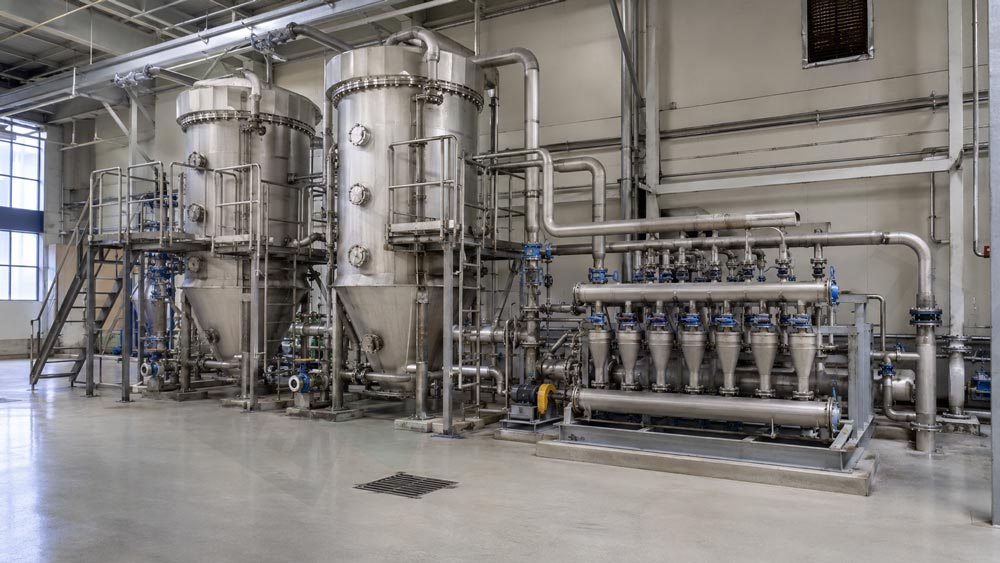
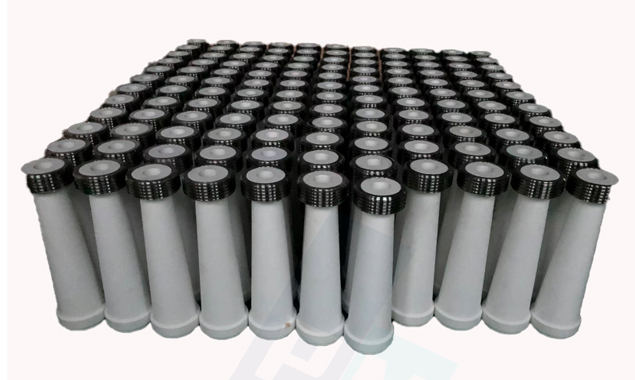
Figure 4. Screening and cleaning capacity must be checked as a cascade with mass balance, reject rate and furnish variability—not as isolated equipment. (Illustrative industry image.)
What to watch through 2027
In the Middle East and Africa, the key test is whether usable recovered-fibre supply grows as fast as the machines it is expected to feed. In Latin America, watch the construction, start-up and ramp-up of the next large pulp lines, especially Sucuriú, and how quickly their volume reaches export markets. In China, watch operating rates, export pricing and the pace of retrofit-led efficiency gains. These three signals will say more about project economics than headline capacity announcements alone.