
The global paper industry is adjusting its product mix. Demand pressure remains on several traditional graphic grades, while barrier packaging, release materials, industrial filtration, electrical insulation, medical packaging and information media continue to move paper toward higher-performance applications. Customers increasingly buy a defined set of measurable properties rather than a grade name alone.
Application Requirements Matter More Than Labels
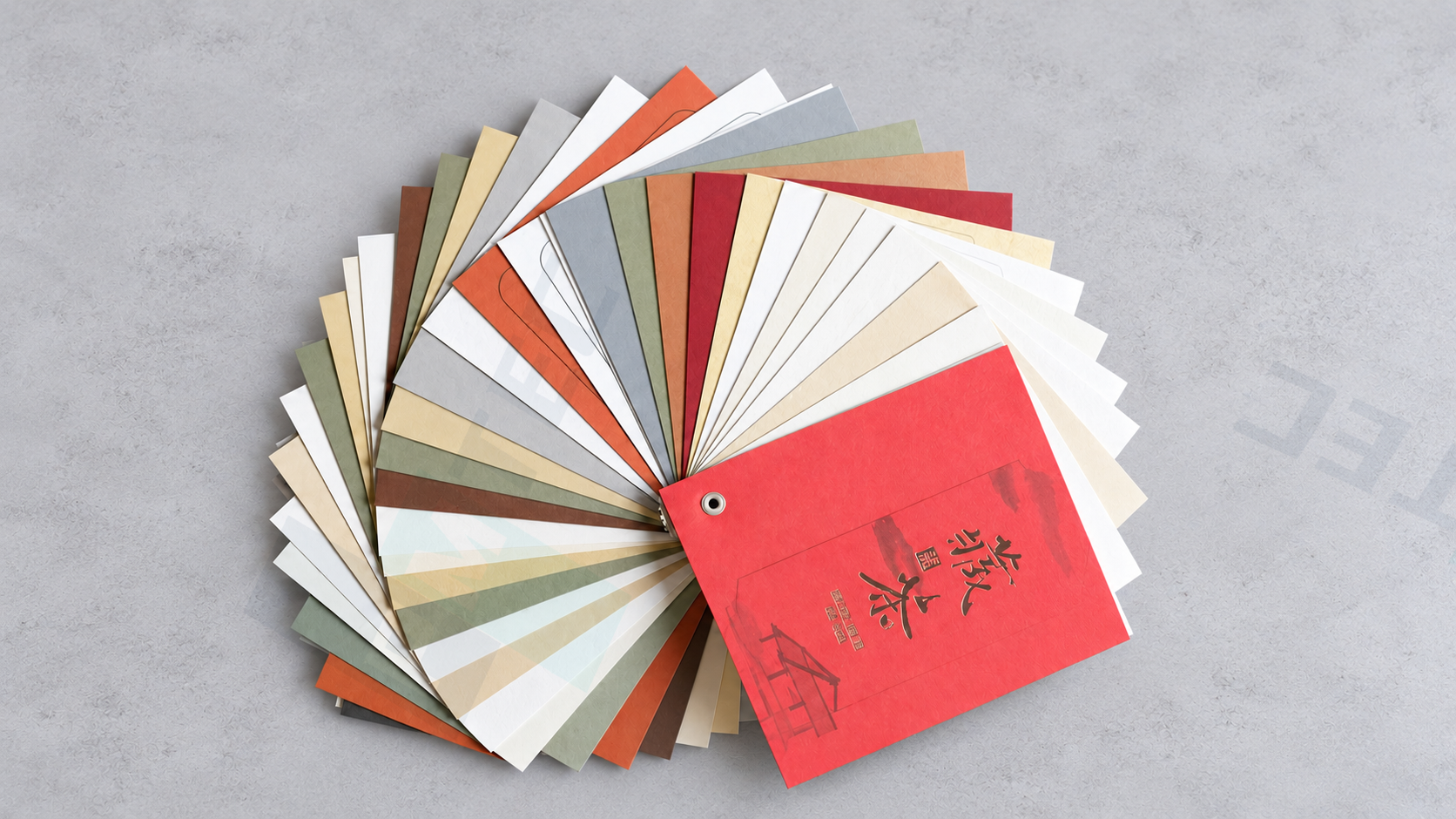
Converted paper, specialty paper and functional paper overlap in industrial practice. Converted paper generally describes treatments such as coating, impregnation, lamination, embossing or metallisation. Specialty paper refers to a product developed for a specific use or differentiated performance. Functional paper places greater emphasis on a defined action, including barrier protection, filtration, electrical insulation, thermal response, release or corrosion protection.
A barrier paper for food packaging may therefore belong to all three groups. Product development should begin with the required performance, test method and converting conditions instead of a rigid classification.
Packaging Rules Link Performance With Recyclability
Fibre-based packaging remains one of the most active areas of specialty paper development. Brand owners want to reduce plastic use while retaining grease resistance, water and oxygen barriers, heat-sealability and low-temperature performance. Coatings and laminates can deliver these properties, but they may also affect repulping, screening and fibre recovery.
The EU Packaging and Packaging Waste Regulation entered into force in February 2025 and began to apply on 12 August 2026. It establishes a common framework covering packaging reduction, recyclability and restrictions on PFAS in food-contact packaging. In parallel, the Confederation of European Paper Industries has continued to update its recyclability guidance and laboratory evaluation method. The direction is clear: new functionality must be designed together with the recycling system of the target market.
The Technical Barrier Extends Across the Production Line
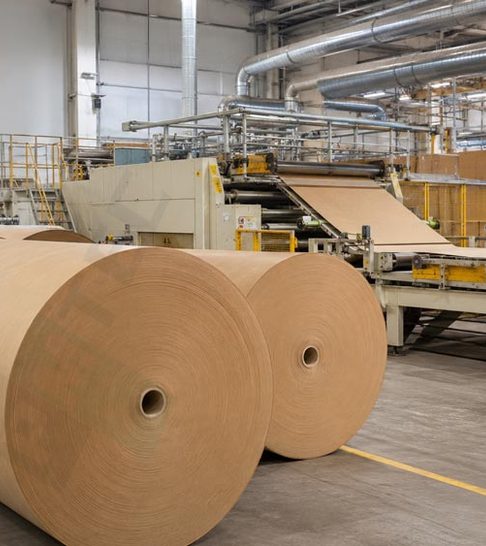
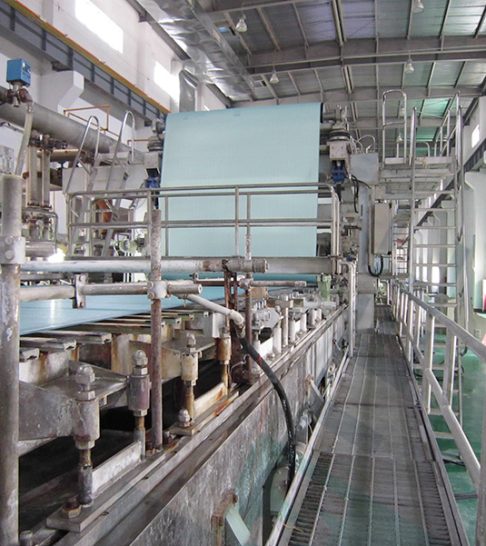
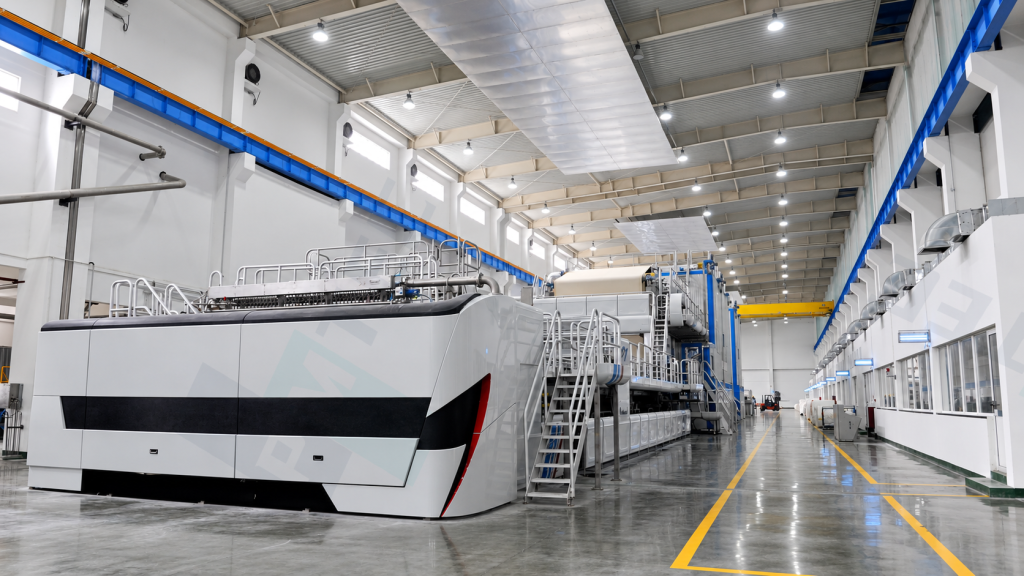
Specialty paper cannot be reduced to adding one coating step to a conventional base sheet. Fibre selection, refining, stock cleanliness, formation, pore structure, moisture profile and surface strength all affect downstream treatment and end-use performance. For filter media, electrical insulation papers, release base papers and coated functional grades, local variation can cause failure even when average basis weight is within specification.
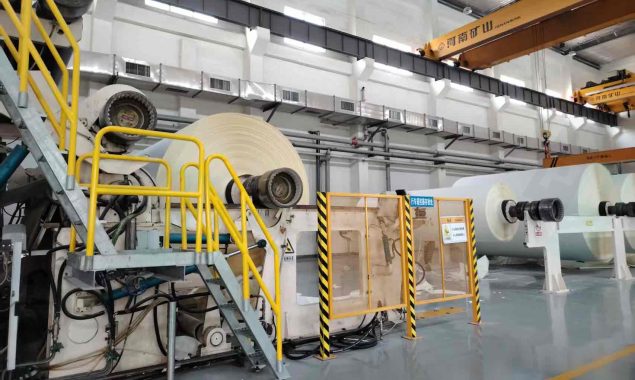
The coating and finishing stages add further interactions. Mills must coordinate coating rheology, coat-weight stability, penetration and interfacial bonding with drying load, web tension and winding quality. The technical objective is not a successful laboratory sample. It is repeatable industrial production at an acceptable operating cost.
Growth Opportunities Extend Beyond Packaging
Thermal, security and label papers continue to serve logistics, retail and information systems. Filter media, electrical insulation, abrasive backing and sealing papers support industrial applications. Sterilisation papers and diagnostic substrates require tighter control of cleanliness, traceability and compliance. Conductive papers, sensor substrates and cellulose composites are also extending the technical scope of paper, although commercial maturity and qualification periods vary widely by product.
Before entering a new segment, a mill should evaluate market volume, raw-material and chemical supply, equipment compatibility, functional test methods and customer qualification time. A high selling price alone does not establish project viability when trial losses, reduced machine speed and quality variation are included.
Five Questions Mills Should Verify First
- Are the target properties linked to defined test methods and customer acceptance values
- Can the existing stock preparation and paper machine deliver the required formation and cleanliness
- Does the coating or impregnation process match the sheet structure and downstream converting conditions
- Can the drying section and web-handling system support the planned operating speed
- Does the product structure meet the safety and recyclability requirements of the target market
Converting Product Targets Into an Operating Line
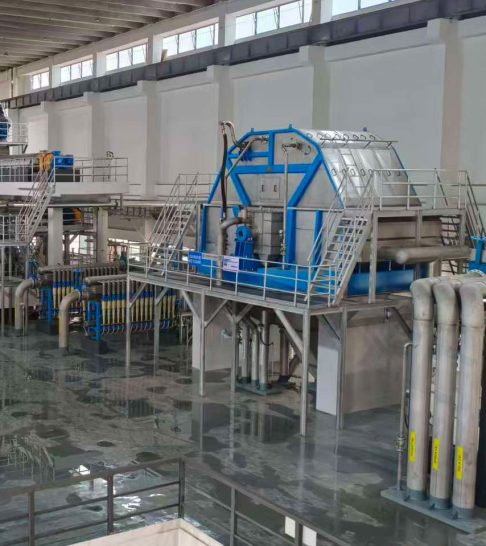
A specialty paper project must evaluate furnish design, stock preparation, papermaking, coating, drying, automation and quality control as one production system. A mismatch at any stage can increase breaks, reduce speed, raise energy use or widen quality variation.
About PMTEC
PMTEC works from the target grade, available raw materials and existing equipment condition. Its support covers process assessment, stock preparation and paper machine optimisation, coating and drying configuration, automation upgrades and on-site production services. The purpose is to convert a product concept into a stable and economically viable operating process.