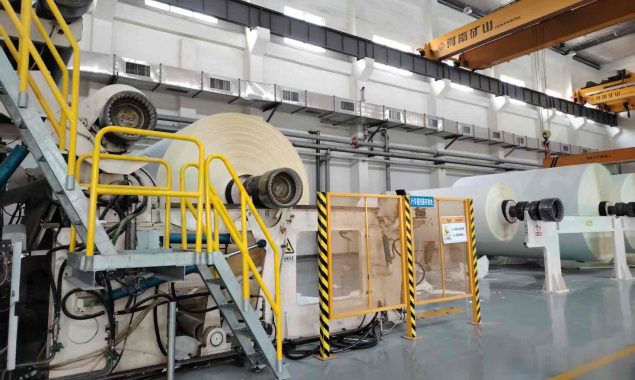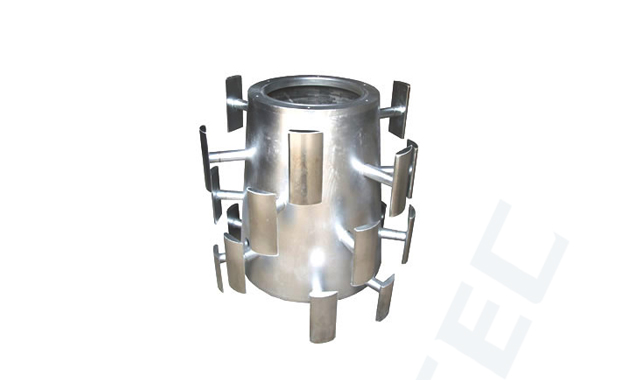

corrugating-medium line, Jilin, China.
corrugating-medium line, Jilin, China.
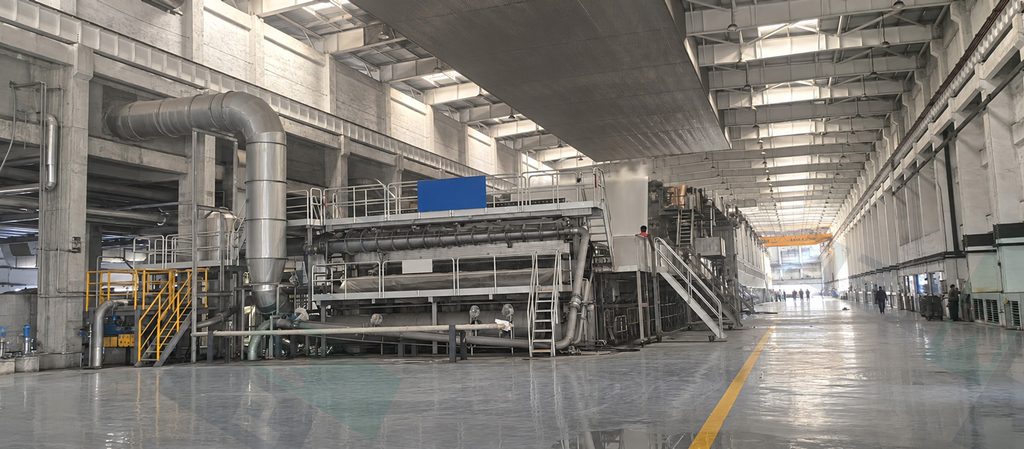
Global paper markets enter 2027 with a difficult combination of volatile logistics, uneven demand and excess capacity in selected grades. The consequences will vary by region: an energy importer, a recovered-fiber containerboard mill and an integrated pulp producer will not face the same pressures. For mills and investors, the relevant question is how these changes affect delivered raw-material costs, operating cost per tonne and the economics of new capacity.
Middle East and Red Sea: a logistics shock becomes a mill-cost problem
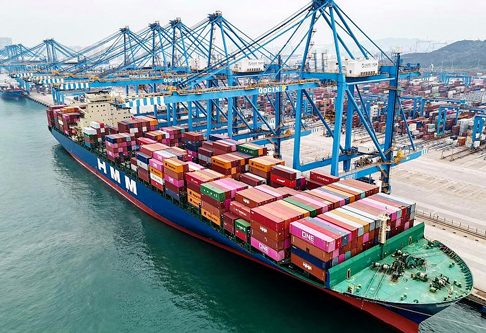
Disruption around the Strait of Hormuz in 2026 affected Gulf trade and added uncertainty to fuel, chemical and equipment logistics. Red Sea route security creates a separate risk for shipments between Asia, Europe and Africa. The impact on an individual paper mill depends on its fuel mix, import exposure, freight contract and inventory position—not on one universal percentage increase.

Shipping routes, energy and freight costs affect pulp, chemicals and equipment supply.
Mills importing market pulp, recovered fiber, caustic soda or machinery may face higher delivered costs or longer replenishment times. For a new project, alternative ports, inland transport, spare-parts lead times and commissioning schedules need to be evaluated alongside the equipment quotation. These are scenarios for 2027 rather than a prediction that one shipping route will remain closed.
Pulp and paper prices: cost pressure does not mean a uniform price rise
Energy and shipping costs can push asking prices higher, but surplus production capacity and weak downstream demand can prevent mills from passing those increases on. Hardwood market pulp remains exposed to capacity additions and Chinese demand, while different grades of paper can move in opposite directions. Producers should plan several cost and selling-price scenarios rather than assuming one industry-wide price trend.
For mills using purchased pulp, the delivered fiber cost should be monitored together with yield, furnish formulation and steam consumption. For recycled containerboard producers, recovered-paper quality, reject rates and screening losses may be just as material as the market OCC price.
China and Southeast Asia: absorption of capacity versus selective investment
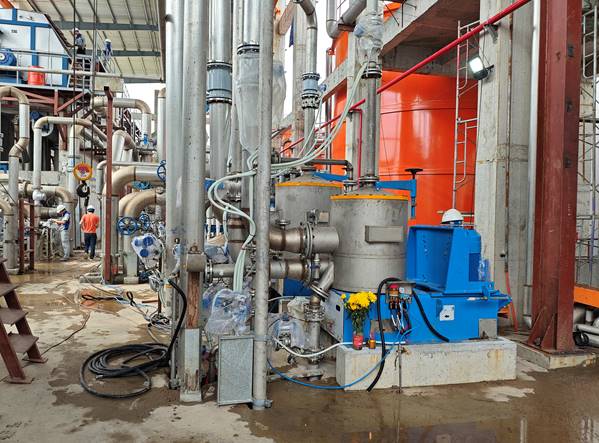
Overcapacity in some Chinese packaging grades is keeping operating rates and margins under pressure. Similar risks emerge in Southeast Asia where new capacity reaches markets with uneven demand growth. This does not eliminate investment opportunities: projects with reliable local recovered fiber, competitive utilities and a demonstrated market may still be viable.
For existing lines, the near-term case for investment may lie in stock-preparation bottleneck removal, pressure-screen optimization, refining efficiency, fiber recovery and paper-machine reliability. A capacity expansion should be assessed against realistic operating rates and regional paper prices—not only rated tonnes per day.
Europe: structural change is creating conversion and rebuild work
The continuing decline in newsprint and other graphic grades is encouraging machine conversions into packaging. Palm has announced the conversion of its King’s Lynn, UK, machine to corrugated case material, with production targeted from March 2027. The UK example illustrates a wider shift: upgrading an existing asset can be more attractive than building a completely new mill, although conversion economics vary considerably by machine design.
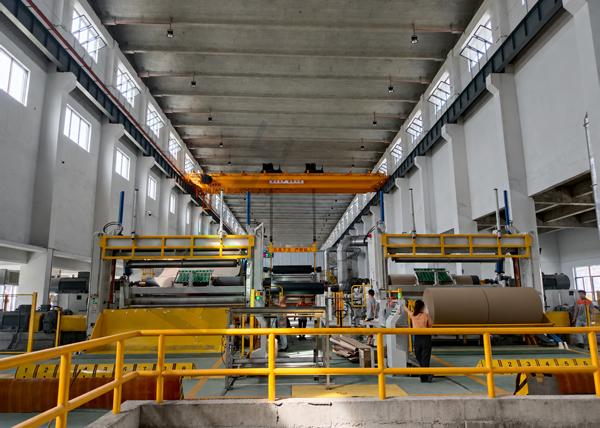
For European mills, energy efficiency, machine suitability, recovered-fiber systems and compliance requirements remain central investment considerations. A successful grade conversion must be engineered as a complete system—from furnish preparation and forming through drying, winding and quality control.
Regional outlook: what matters to paper mills
| Region / driver | Likely transmission to paper mills | Engineering or investment response |
|---|---|---|
| Gulf / Hormuz | Fuel, import logistics and delivery uncertainty | Review energy options; route and spares contingency |
| Red Sea / Suez | Longer voyages and fluctuating freight costs | Assess landed costs and project schedules |
| China | Capacity competition in selected grades | Efficiency, reliability and targeted rebuilds |
| Southeast Asia / India | Demand opportunity alongside capacity and utility constraints | Validate fiber, water, energy and local sales |
| Europe | Graphic-paper decline and asset conversions | Machine conversion and energy optimization |
PMTEC perspective: focus on the controllable cost per tonne
Paper mills cannot control geopolitics or global pulp prices. They can, however, improve process stability, fiber utilization and specific energy consumption. In stock preparation, pulping, cleaning, screening and refining must be evaluated as a connected process. On the paper machine, vacuum, pressing, steam and condensate systems determine how much energy is used to remove water and maintain stable production.
For new projects, PMTEC recommends assessing the full system at an early stage: raw material and furnish, capacity and operating rate, utilities, effluent treatment, equipment lead time and commissioning support. An attractive machinery price alone is not evidence of a competitive paper mill.
The industry outlook for 2027 is therefore less about predicting a single market direction and more about preparing paper mills for several plausible conditions. Technical decisions grounded in actual mill data and life-cycle operating costs will be more resilient than expansion decisions based on nameplate capacity alone.
PMTEC | PM Zhengzhou Technology Co., Ltd. — Pulp & Paper Engineering, Equipment Supply and Mill Optimization